Search Fit
Does the home match the way you will actually use it?
:format(webp):quality(80)/u.realgeeks.media/lewjabro/lake_havasu_city_home_buyers_guide_from_search_to_close_of_escrow.jpg)
This is the full Lake Havasu home buying process in one place — home search, financing, local property details, offer strategy, escrow, inspections, appraisal, the final walkthrough, closing, recording, keys, and what to expect after close of escrow.
It is built for buyers who want the whole picture before they start clicking random listings: out-of-area buyers, second-home buyers, boating buyers, RV garage buyers, pool-home buyers, seasonal owners, and anyone trying to understand how a Lake Havasu purchase actually works from first contact through after closing.
Buying in Lake Havasu is not just picking a house and writing an offer. The right process starts with how you plan to use the home, then moves through search setup, property review, offer terms, escrow, inspections, lender deadlines, the final walkthrough, recording, funding, and keys — grouped here into four working phases.
Start with buyer goals, timing, budget, financing, and how the home will actually be used.
Online listings get filtered through local details that portals usually do not explain well.
The right offer balances price, terms, timing, seller motivation, buyer protection, and closing risk.
Inspections, lender work, appraisal, the final walkthrough, signing, recording, funding, and key release all need coordination.
The buyer process is not one straight line of paperwork. It is a sequence of decisions. Each step either confirms the home still fits, exposes something that needs to be solved, or moves the transaction closer to recording and key release. These are the four questions the whole process keeps answering:
Does the home match the way you will actually use it?
Do the price, terms, deadlines, and risk level make sense?
Do inspections, disclosures, title, and HOA details check out?
Are lender, escrow, funding, recording, and keys lined up?
Two buyers can look at the same listing and need completely different advice. The right starting point is not just price, beds, baths, and square footage — it is the way the property has to function after closing.
Run every Lake Havasu property through three lenses before you fall for the photos. These are the three questions the whole search keeps answering:
How will you actually use the home?
What local details can make or break it?
What should be verified before you offer?
Daily living, neighborhood fit, layout, storage, utility costs, long-term comfort, and resale logic matter more.
Lock-and-leave use, guest space, maintenance, pool care, travel routine, and vendor setup move higher on the list.
Garage depth, door height, Side Parking, driveway slope, street backing room, and launch routine need early review.
Privacy, shade, pool condition, patio layout, view corridors, guest flow, and summer usability change the value conversation.
Most national portals are good at showing inventory. They are not built to explain whether a Lake Havasu home actually fits the buyer’s real-world use.
Start broad enough to avoid missing the right home, then tighten the search as your real preferences become clearer. These are the levers we adjust as we go:
The first step is not choosing a house. It is getting clear on how the home needs to work. In Lake Havasu, the best search strategy changes depending on whether the home is full-time, part-time, seasonal, boating-focused, garage-driven, pool-focused, retirement-focused, or investment-minded. The first search does not have to be perfect — it needs to be smart enough to catch the right possibilities, then get refined as we learn what actually matters from the listings, favorites, and homes you react to.
Before the search gets serious, the money side needs to be clear enough to make good decisions. That means more than a list price — it means purchase power, payment comfort, cash to close, loan timing, insurance, HOA dues, pool service, utilities, and the real cost of owning the kind of Lake Havasu home you are trying to buy.
A buyer can be approved on paper and still be uncomfortable with the monthly payment, closing costs, insurance, HOA dues, pool costs, or second-home setup costs. The goal is to know the lane before we start treating a property like a real target. Three checkpoints set that lane:
A real pre-approval carries far more weight than a quick online estimate. Your lender should understand income, assets, debts, down payment, loan type, occupancy plan, and timing before you start writing offers. Line those pieces up with mortgage financing resources early.
Cash removes lender approval from the transaction, but sellers still usually want proof that the buyer has available funds before accepting the offer.
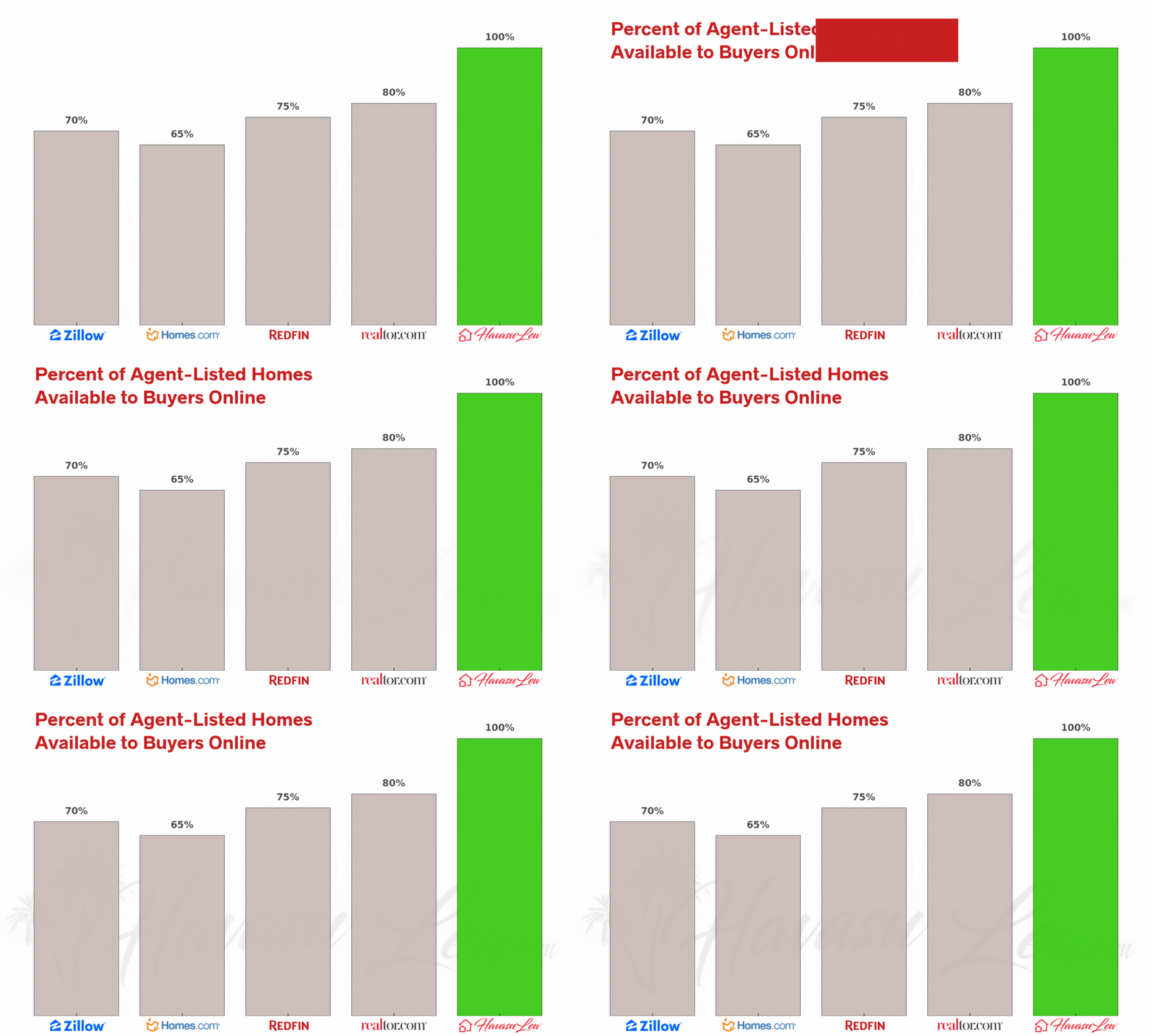
Most Lake Havasu buyers are coming from out of the area. You’re trying to figure out neighborhoods, garage needs, HOA rules, short-term rentals, and what’s really going on with pricing. My job is to give you the local context, negotiation strategy, and clear guidance to help you make a smart move — without wasting your time.
HomeSearchLakeHavasu.com pulls live data directly from the Lake Havasu MLS. That means:

:format(webp):quality(80)/u.realgeeks.media/lewjabro/top_lake_havasu_realtors.jpg)
:format(webp):quality(80)/u.realgeeks.media/lewjabro/purchased_a_home_using_Havasu_Lew_as_our_realtor.jpg)
:format(webp):quality(80)/u.realgeeks.media/lewjabro/lake-havasu-real-estate-agents-reviews.jpg)
:format(webp):quality(80)/u.realgeeks.media/lewjabro/top_realtors_in_lake_havasu_city.jpg)
Whether you’re buying a vacation home, full-time place, or an RV-garage property for boats and desert toys, the process should be straightforward. Here’s what you can expect when we work together:
If you want a deeper dive into the steps, you can review the overview here:
The 7 Phases of the Home Buying Process
Negotiation isn’t luck — it’s INTEL + STRATEGY.
Curious what day-to-day life looks like here — beyond the listing photos? I share local events, videos, and Q&A so you can get a feel for the area before you buy.
:format(webp):quality(80)/u.realgeeks.media/lewjabro/lake_havasu_real_estate_blog.png)
Need to get pre-qualified for a Lake Havasu home? Start here.
Lake Havasu Buyer Planning Tool
Open the dedicated Lake Havasu City buyer calculator to estimate title and escrow fees, cash to close, and monthly mortgage payment in a roomier full-page view.
Lake Havasu Home Buyer FAQ
Use real-time MLS search filtered by garage depth and door height. Many Lake Havasu neighborhoods are RV-friendly, and a local agent can guide you to the best-fit properties.
Popular areas with strong resale and RV/boat access include The Refuge, Havasu Foothills Estates, Sailing Hawks, Viewpoint Estates, and Grand Island Estates.
Yes. You can call or text HavasuLew directly at 928-846-6474 to get negotiation strategy, local insight, and personalized guidance for your search.
Some costs do not show up in the list price, but they still affect the buyer’s real comfort level after closing.
When the property is inside a managed community.
Common for pool-home and second-home owners.
Electric, water, trash, gas if applicable, and seasonal usage.
Coverage questions should be handled early, not right before closing.
Especially for second homes, seasonal homes, and turnkey expectations.
Pool, landscape, pest, HVAC, home watch, and maintenance setup.
For consumer-level mortgage education, see CFPB Know Before You Owe and HavasuLew’s mortgage financing resources, then rely on your lender for the numbers tied to your actual file.
A good Lake Havasu search is not just price, beds, baths, and square footage. The right setup keeps the search wide enough to catch the right homes, but focused enough to avoid wasting time on homes that do not fit the way you will actually use the property.
Most buyers do not know exactly what will matter until they start comparing real homes. That is why the first Saved Search often needs to cast a big enough net, then tighten based on favorites, rejects, garage fit, pool preferences, location routine, HOA and PUD rules, and budget comfort. The goal is not to flood your inbox — it is to build a working search that helps you see the market clearly, save the right homes, and understand why some listings are worth a closer look while others are not.
Portal filters are the starting point. Local use-case review is where the search becomes useful.
Price, beds, baths, property type, square footage, lot size, age, area, and active listing status.
Garage depth, tall doors, RV/boat storage, Side Parking, driveway approach, and usable access.
Pool setup, backyard privacy, shade, covered patio space, view orientation, and hosting comfort.
HOA/PUD restrictions, short-term rental fit, neighborhood routine, launch access, and resale context.
The first search is the starting point. Your clicks, favorites, questions, and rejects help tighten the next version.
Use, timing, budget, must-haves, and deal-breakers.
Broad enough to catch the right homes early.
Garage, pool, parking, location, and rules checked in context.
Use the red heart to Add to Favorites and separate contenders from noise.
Criteria tighten as the market and your preferences become clearer.
Your Saved Search and Favorites list live inside your homesearchlakehavasu.com account. On desktop, your account menu is near the top right. On mobile web, it is near the top left.
When you see a home you want to track, use the red heart to Add to Favorites. That gives us a cleaner picture of what is actually standing out, and it makes it easier to adjust the search around real buyer feedback.
Big portals can show homes, but they do not always explain whether the listing fits your actual Lake Havasu use case. A garage search, pool-home search, Side Parking search, seasonal-use search, or second-home search needs local interpretation.
A listing is not just bedrooms, bathrooms, photos, and price. In Lake Havasu, the details that decide whether a home actually works are often hidden in garage dimensions, additional information, remarks, HOA and PUD notes, photo clues, street fit, and the way the property would be used in real life.
Portals show the listing. Local review explains what the listing means. Two homes can look nearly identical online and still be completely different buys once you look at garage usability, driveway approach, Side Parking, pool condition, HOA rules, launch routine, and how the property fits the buyer’s actual Lake Havasu plans.
Price, beds, baths, and square footage only tell part of the story.
Boating, seasonal use, full-time living, RV storage, and pool use change the search.
Garage labels, Side Parking, neighborhood language, and photos need a local read.
The goal is to know whether the home deserves a showing, an offer, or a pass.
A home does not become a fit just because the photos look good. These checks help separate good-looking listings from homes that actually work.
Garage depth, door height, Side Parking, gate width, driveway slope, and backing room.
Layout, pool, backyard privacy, shade, maintenance, and condition clues.
HOA/PUD requirements, rental limits, parking restrictions, and included personal property.
Launch ramps, marina routine, shopping, medical access, traffic pattern, and daily convenience.
Remarks can point to upgrades, ownership use, garage claims, furnishings, pool features, HOA language, or seller positioning that should be verified before relying on it.
Photos can reveal driveway slope, street width, backyard exposure, garage access, privacy, deferred maintenance, and whether the property lives the way the description suggests.
Garage count alone is not enough. Bay depth, door height, ceiling height, cabinets, built-ins, lift clearance, and usable layout all matter for boats, RVs, trailers, and toys.
Side Parking means non-enclosed storage space. The real question is usable length, width, gate access, slope, surface, and whether rules or layout limit what can actually fit.
A pool home needs more review than a pretty water photo. Surface, equipment, heating, shade, privacy, safety barriers, patio layout, and yard flow all affect buyer value.
Rules, rental limits, exterior standards, dues, parking restrictions, and location routine can change whether the home fits the buyer’s intended use.
A listing is not just bedrooms, bathrooms, photos, and price. The details that decide whether a Lake Havasu home actually works are often the ones a portal cannot interpret for you.
Showings are where the online listing gets tested against real Lake Havasu use. The question is not only whether the home looks good — it is whether the garage, driveway, pool, layout, area, and ownership details still make sense when you are standing there.
A strong showing should confirm or challenge the buyer strategy. We are looking at how the home works for daily living, boating weekends, seasonal ownership, guests, storage, pool use, maintenance comfort, and resale appeal.
Photos can make a home look simple. Walking the property usually shows the details that matter: street approach, driveway slope, backing room, garage usability, pool privacy, sun exposure, nearby property condition, noise, and whether the layout actually fits the way the buyer plans to use the home.
Buyers naturally focus on finishes and feel. I’m also watching the things that can affect use, negotiation, inspections, and resale.
Bay depth, door height, ceiling clearance, driveway slope, gate width, backing room, and whether the space works in real life.
Pool surface, equipment, shade, privacy, patio flow, drainage, sun exposure, fencing, and outdoor maintenance needs.
Roof, HVAC, water heater, electrical panel, visible repairs, flooring transitions, doors, windows, grading, and deferred maintenance signs.
Street feel, traffic pattern, elevation, view lines, launch-ramp routine, shopping access, medical access, and nearby property condition.
A showing should move from first impression to practical fit, then into the follow-up list before any offer conversation starts.
Street, driveway, slope, curb appeal, parking, and neighborhood feel.
Garage, Side Parking, pool, layout, guest space, and daily routine.
Visible maintenance, systems, exterior, pool equipment, and inspection notes.
What felt right, what felt off, and what needs more information.
Save, reject, compare, request details, revisit, or prepare offer strategy.
Many homes have cameras, doorbell audio, or recording devices. Do not discuss price flexibility, offer strategy, seller motivation, personal motivation, or anything that could weaken your position while you are inside the property.
Save the negotiation talk for after the showing, away from the home.
A strong Lake Havasu offer is not built from list price alone. Most offers are actually won before they are written — in the homework. Before I put a single term on paper, I want to understand the property’s leverage points, the seller’s likely position and timing, what the listing history is really saying, how much competition is in play, and exactly where you need protection. This is my favorite part of the deal, and it is where good buyers quietly win — or leave money on the table.
By the time I write your offer, the research is already done. That means reading what the MLS shows, what the property reveals in person, what county public records confirm, what the title path suggests, what the price history is telling us, and how the listing side is handling the sale. I map the seller’s likely position and motivation from lawful, transaction-relevant signals — not guesses, and never private or protected personal details.
The payoff is a clear decision: whether to press, protect, simplify, slow down, move fast, ask for concessions, adjust inspection posture, or write a cleaner offer that solves the seller’s real problem better than the buyer competing against you. When the homework is right, the offer almost writes itself.
Here is the seller-position and deal-risk read I run before we talk price and terms. Each lane pulls from public records, MLS history, current market context, and how the other side behaves — the signals that hold up in a real negotiation.
Days on market, price reductions, relists, expired or canceled history, showing access, and seller remarks. How the price has moved usually says more than the number itself.
Tells me: how much time pressure and flexibility may already be built into the deal.Prior purchase price, recorded deeds of trust, refinances, and liens are part of the public record. Reading them helps estimate roughly how much room a seller may have on price, concessions, and terms.
Tells me: where there may be room to move — and where there probably is not.Whether the property is held by an individual, a trust, an entity, or multiple owners, plus any recent recorded transfers and out-of-area ownership. Vesting can shape who signs and how quickly the seller side can decide.
Tells me: how decisions get made on the other side and how fast they can move.Vacant, tenant-occupied, primary, second-home, or seasonal use; turnkey or furnished signals; and move-out friction. Occupancy often hints at whether timing matters to the seller.
Tells me: whether close date, possession, or a rent-back can become real leverage.Condition, repair exposure, roof, HVAC, and pool concerns, garage-fit or Side Parking limitations, HOA/PUD restrictions, and anything that makes the property harder to sell to the next buyer in line.
Tells me: which weak points give you honest, defensible negotiating room.Competing inventory, recent sold comparables, pending activity, absorption, and seasonal demand, read against live Lake Havasu market conditions. Whether similar homes are sitting changes everything.
Tells me: how much real leverage you hold versus how much is just noise.Negotiation is mostly listening. I pay attention to what the listing side reveals through pace, posture, and the details they choose to share, then match your certainty to their motivation and structure the offer around it. The leverage that holds up is transaction-relevant and lawful — I do not rely on private circumstances or protected-class assumptions to move a deal.
Once I know your goal and the seller’s likely position, I match your certainty to their motivation and choose terms that fit the actual deal — not a generic template pulled off a shelf.
Strong documentation, clean terms, and a disciplined price. We do not overpay just because you can close — certainty is leverage on its own.
Use certainty, timing, and clean execution to push for a better price, concessions, personal property, or terms — without handing the seller a reason to walk.
Never force a weak offer into a strong-seller position. Improve lender strength, reduce uncertainty, or wait for the right fit instead of overpaying to win.
Find the terms that solve the seller’s problem — close date, possession, cleaner contingencies — while keeping inspection, appraisal, financing, and timing risk under control.
Price gets the attention, but the structure around it is usually what tells a seller whether your offer is the one that actually closes. These are the levers I set on purpose:
Good offer strategy uses lawful, public-record and market information: listing history, price behavior, recorded financing and liens, ownership vesting, occupancy and use signals, property condition, title and escrow context, competition, timing, and communication patterns. It does not use — and I will not use — age, marital or family status, or any protected-class or private personal circumstance as a negotiating factor. The goal is simply to understand leverage and write a smarter, cleaner offer. Winning the deal only helps if the terms still protect you through inspections, appraisal, lender review, escrow, recording, and key release.
Once the offer is accepted, the deal moves from negotiation into execution. Escrow opens, earnest money becomes due, the lender file moves, inspections need scheduling, disclosures start arriving, title work begins, and every deadline has to be watched.
Escrow is where the accepted contract turns into a coordinated closing file. Funds, signatures, title work, lender conditions, seller documents, buyer documents, disclosures, payoff information, HOA documents, recording requirements, and closing instructions all have to line up before keys can be released.
The buyer does not need to manage every moving part alone, but the buyer does need to respond quickly, deposit funds correctly, review documents, complete inspections, work with the lender, and avoid missing deadlines.
Deposited on time through the proper escrow process — never through an unverified payment path.
Inspections, property access, reports, and BINSR strategy need to move quickly.
Loan documents, appraisal, underwriting conditions, insurance, and disclosure timing start moving.
Confirms the buyer is moving forward under the contract. Timing, delivery method, and escrow instructions matter.
General inspection, pool, roof, HVAC, WDI, sewer/septic, or other property-specific reviews need coordination early.
Seller disclosures, insurance history if available, HOA/PUD documents, permits, warranties, and known-condition details need review.
Ownership, liens, easements, legal description, vesting, payoff issues, and title requirements can affect the closing path.
Appraisal, underwriting, borrower documents, insurance, Closing Disclosure, and funding conditions stay active in the background.
Fees, rules, rental limits, architectural standards, transfer requirements, and community documents may affect buyer use.
The first few days set the tone. Clean execution early helps prevent missed deadlines, rushed inspections, late lender conditions, and last-minute escrow problems.
The signed contract and addenda are sent to escrow, lender, and the transaction team.
Escrow creates the file, sends instructions, starts title work, and coordinates deposits.
Earnest money is delivered according to the contract and verified escrow instructions.
Inspections, seller disclosures, title review, HOA documents, and local property questions begin.
Lender, appraisal, insurance, repairs, documents, signatures, and recording prep move toward closing.
Accepted is not closed. The first days of clean execution — earnest money on time, fast inspection scheduling, prompt document turnaround, and steady lender communication — are what keep a Lake Havasu escrow from slipping. The signed contract still controls the actual rights, obligations, deadlines, and remedies in the transaction.
The inspection period is where the buyer stops looking at the listing as a set of photos and starts reviewing the actual property, contract risk, repair exposure, local fit, and whether the home still makes sense after professional inspections and disclosure review.
In a Lake Havasu purchase, inspections are not just about finding broken items. They are about understanding what you are buying, what may need attention, what could affect cost of ownership, and what should be handled before moving deeper into escrow.
This is also where buyer strategy matters. A small repair item may not be worth creating a fight over. A major roof, HVAC, pool, sewer, septic, electrical, or structural concern can change the deal completely. The goal is to separate normal home-ownership items from issues that affect value, safety, financing, insurance, or your comfort level.
Inspection access, pool review, roof opinions, HVAC follow-up, WDI, and specialty checks need to be scheduled early.
The first report can look overwhelming. The right move is to sort findings by severity, cost, contract leverage, and buyer comfort.
The BINSR decision should reflect the whole inspection picture, not a scattered list created before all key reviews are complete.
Major systems, visible condition, safety concerns, appliances, plumbing, electrical, roof observations, attic, exterior, and maintenance clues.
Surface condition, equipment age, pumps, filters, heaters, automation, lighting, leaks, decking, drainage, barriers, and actual backyard usability.
Sun, heat, age, deferred maintenance, repair history, and replacement timing can matter more in Lake Havasu than buyers expect from photos.
Wood-destroying insect review, sewer scope, septic, well, chimney, solar, electrical, structural, or other specific inspections when the property calls for it.
The signed contract controls the actual deadlines, rights, obligations, and response windows. The practical goal is to complete the needed inspections and review the findings before the buyer makes the formal inspection-period decision.
General inspection first, then pool, roof, HVAC, WDI, sewer, septic, or other property-specific reviews as needed.
Sort findings into normal maintenance, safety items, major cost items, lender concerns, and deal-changing issues.
Compare the inspection results against price, market conditions, seller leverage, buyer goals, and closing timeline.
The buyer can accept the property, cancel if allowed by the contract and timing, or give the seller an opportunity to correct or address listed items.
The seller responds if repairs or other terms are requested, and the buyer decides whether to proceed under the agreed path.
Some issues are easy to miss when a buyer is focused on counters, cabinets, flooring, and lake views. Local use-case details can affect whether the home actually works.
Depth, width, door height, cabinet placement, lift clearance, driveway angle, and street backing room matter for boats, trailers, RVs, and toys.
Usable width, gate position, surface, slope, drainage, overhead clearance, and HOA/PUD restrictions should be checked before assuming it fits.
Pool surface, equipment, shade, privacy, sun exposure, patio layout, safety barriers, and maintenance history all affect real ownership cost.
Age and condition can matter quickly in the desert. A working system today may still deserve closer review if replacement timing is near.
Rules can affect parking, rentals, exterior changes, garage use, pets, amenities, and community costs. Documents should be reviewed, not assumed.
Not every property has the same utility setup. Sewer, septic, well, propane, natural gas, solar, permits, warranties, and disclosure items need context.
If the reports line up with expectations, the buyer may accept the property and keep the escrow moving toward appraisal, loan, title, and closing.
If there are meaningful concerns, the buyer may ask the seller to repair, correct, credit, reduce, or otherwise address specific items if the contract, lender, and escrow path allow.
If the inspection results change the deal enough, the buyer may be able to cancel within the contract timeline. The reason and written notice matter.
The inspection period is where emotion needs to come down and judgment needs to go up. Some findings are normal home ownership, some are negotiation points, and some are walk-away problems — the value is knowing which bucket each issue belongs in before the deadline forces a decision. This page is process education only. The signed contract, current Arizona forms, escrow instructions, lender requirements, inspection reports, and transaction-specific facts control what happens in a real purchase.
Once escrow is open, the lender file does not wait quietly in the background. Appraisal, underwriting, insurance, borrower documents, loan conditions, and Closing Disclosure timing all have to stay lined up while inspection items, title work, and closing prep are still moving.
For a financed Lake Havasu purchase, the property has to work for the buyer and for the lender. The buyer may love the home, the inspection may be acceptable, and the seller may be ready to close — but the loan still has to clear appraisal, underwriting, insurance, title, final figures, and funding conditions.
This is the stage where small delays can turn into real closing problems. Missing documents, late insurance, appraisal issues, credit changes, unexplained deposits, or buyer purchases before closing can slow down the file or create new lender conditions.
Does the appraisal support the contract and loan file?
Does underwriting still approve the buyer profile?
Does insurance and property review support closing?
Are disclosures, signatures, funding, and escrow aligned?
Helps the lender determine whether the property value supports the loan. It can come in at value, above value, below value, or with conditions that need to be addressed.
Reviews the borrower, assets, income, credit, loan type, occupancy, title, insurance, and property file before final loan approval.
Should be quoted and confirmed early. Roof age, pool features, property condition, occupancy, claims history, and lender requirements can affect the file.
Where the buyer reviews final loan terms, projected payment, cash to close, credits, prepaid items, escrow charges, and lender fees.
The lender orders the appraisal to evaluate value and collateral risk for the loan. This is not the same thing as a buyer home inspection.
The buyer needs the right policy path early enough for the lender, escrow, and closing figures to stay on track.
Underwriting may ask for updated paystubs, bank statements, explanations, insurance documents, title items, or property-specific information.
The buyer reviews loan terms, cash to close, credits, fees, and final numbers before signing and funding can move forward.
A low appraisal does not automatically kill the deal, but it does change the conversation. The right next move depends on the signed contract, loan type, appraisal details, buyer cash position, seller leverage, market support, and timing.
Review whether the appraisal came in at value, below value, or with lender-required conditions.
The signed contract, financing terms, appraisal language, and deadlines control the buyer’s options.
Comparable sales, condition, upgrades, garage value, pool value, location, and recent activity all matter.
Possible paths may include price adjustment, buyer cash gap, seller concession, reconsideration support, or revised terms.
The buyer needs a clear proceed, renegotiate, or cancel strategy before timing creates more risk.
Local value is not always obvious from a basic spec sheet. Garages, Side Parking, pool setup, roof and HVAC age, HOA/PUD rules, and occupancy plans can all matter once the lender side reviews the file.
RV garage depth, door height, usable Side Parking, driveway approach, and toy-storage function can support buyer demand but still need clean documentation.
Pool condition, safety, equipment, surface age, outdoor kitchens, shade structures, and water features may affect insurance questions or appraisal interpretation.
Age and condition can matter for appraisal conditions, insurance, buyer comfort, and near-term ownership cost, especially in the Lake Havasu heat.
Community documents, fees, minimum rental periods, parking rules, litigation, reserves, and project approval can matter depending on the property and loan type.
Primary residence, second home, seasonal use, and investment use are not interchangeable in the lender file. The loan must match the actual plan.
Owned solar, leased solar, septic, sewer, propane, natural gas, easements, permits, and repair items should be clarified before they become closing surprises.
This stage is about keeping the file clean. The buyer’s job is not to guess what underwriting needs — it is to respond quickly, avoid financial changes, keep insurance moving, and make contract decisions before deadlines create pressure. For many mortgage transactions, the Closing Disclosure must be received at least three business days before closing; use that window to compare loan terms, cash to close, credits, fees, and payment details with the lender and escrow team. This page is buyer education only. Loan approval, appraisal requirements, insurance eligibility, underwriting conditions, Closing Disclosure timing, escrow instructions, and contract rights are transaction-specific and should be reviewed with the appropriate professionals.
The finish line has several separate steps. A buyer may sign closing documents before the file is funded, recorded, and cleared for key release. That timing matters for movers, vendors, travel plans, furniture deliveries, utility transfers, and out-of-area buyers trying to coordinate everything from another city.
The last part of the purchase is about confirming the property is ready, signing correctly, getting buyer funds and lender funds where they need to be, recording the deed, and only then releasing keys when escrow confirms the file is ready.
Property condition, agreed items, inclusions, utilities, and move-out status are checked before closing.
Buyer and seller sign the documents required for their side of the transaction.
Buyer cash to close and lender funds, if financed, must be received and cleared through escrow.
Once the deed records and escrow confirms the closing instructions are satisfied, key release can be authorized.
Closing does not automatically mean keys are ready that minute. The signed contract, escrow instructions, lender funding, county recording, possession terms, and any addenda control the actual handoff.
The goal is to keep the last few days controlled instead of letting everyone assume the file is done just because documents have been signed.
Confirm condition, repairs if applicable, inclusions, utilities, pool/spa, garage items, exterior condition, and seller move-out status.
Review and sign lender and escrow documents. Confirm cash-to-close instructions directly with escrow before sending funds.
Seller signs required transfer documents, escrow documents, and any remaining transaction paperwork needed for closing.
Escrow confirms buyer funds, lender funds if applicable, payoff demands, prorations, title requirements, and final file balance.
The deed records, escrow confirms the file is closed under the transaction instructions, and keys can be released when possession is allowed.
Not a second inspection — a final condition and contract check before the buyer closes.
A clean closing depends on documents, money, lender review, title conditions, and escrow balancing all lining up.
A Lake Havasu closing can involve more than a front-door key. Garages, pool equipment, side gates, HOA access, service vendors, and remote-owner logistics can all matter on day one.
Confirm garage remotes, keypad codes, RV garage access, built-in cabinets, openers, and any included storage items.
Clarify service handoff, pool equipment access, heater controls if applicable, water features, timers, and visible equipment condition.
Check gate access, lock combinations, usable parking area, slope, surface, and whether trailers or toys can be moved in right away.
Line up gate remotes, mailbox keys, amenity access, rules, transfer documents, and management contact details where applicable.
Coordinate power, water, gas if present, trash, internet, pool service, landscape service, pest service, and home warranty contacts.
Out-of-area buyers should plan for lock changes, vendor access, delivery timing, walkthrough help, and who can access the home after key release.
Do not treat signing, lender approval, or a planned closing date as permission to move in or send vendors. The buyer gets practical control of the property when escrow confirms the file is closed and keys can be released under the contract and possession terms.
Close of escrow is the ownership handoff, not the end of the process. The first few days after closing are when keys, utilities, vendors, access, warranties, HOA contacts, pool equipment, garage remotes, Side Parking gates, and seasonal-use details need to get organized.
Once the deed records and keys are released, the buyer moves from transaction mode into ownership mode. That means securing access, confirming services, understanding how the home operates, and making sure nothing important gets lost in the handoff.
Keys, garage remotes, keypads, gates, alarm codes, mailbox keys, and lock changes.
Utilities, pool service, landscape, pest control, internet, trash, HVAC, and warranty contacts.
Maintenance rhythm, improvement priorities, seasonal watch needs, and future value strategy.
The home may be closed, but a few loose items can still create frustration if they are ignored during the handoff.
Garage remotes, gate openers, mailbox keys, smart locks, alarm codes, pool gates, and HOA entry devices.
Pool, landscape, pest, HVAC, internet, trash, and home-watch timing if the home will sit vacant.
HOA/PUD/condo contacts, parking rules, rental-use limits, design guidelines, and community access procedures.
Garage usability, Side Parking, pool condition, shade, privacy, and local buyer demand should guide improvement choices.
Update locks or codes, transfer utilities, confirm mailbox access, review garage and gate access, and make sure the right people can get into the property when needed.
Line up pool, landscape, pest, HVAC, plumbing, electrical, appliance, internet, and home warranty contacts before small issues become bigger headaches.
For HOA, PUD, condo, or planned-community homes, confirm contacts, payment setup, parking rules, gate access, rental restrictions, and design-review procedures.
Before spending money on upgrades, think through what Lake Havasu buyers actually value: usable garage depth, Side Parking, outdoor living, shade, privacy, and clean maintenance.
If the home will sit vacant, the after-closing setup matters even more.
The best upgrades are not always the flashiest ones. In Lake Havasu, function usually matters.
Every home is different, but these are common ownership items that matter more here than buyers expect when they are coming from another market.
Equipment settings, valves, cleaners, heaters, lights, water features, covers, and service schedule.
Remote controls, keypad codes, bay depth, door height, boat/RV fit, and storage layout.
Gate width, usable length, surface, slope, access points, and HOA/PUD limits if applicable.
Filter changes, service schedule, thermostat strategy, and performance questions before summer stress.
Payment setup, access devices, parking rules, design rules, rental limits, and community contacts.
Inspection reports, receipts, warranties, manuals, permits, disclosures, and improvement history.
Good buyer guidance does not stop at keys. Market conditions, value trends, future resale strategy, garage demand, pool-home demand, and local buyer behavior can all matter after you own the home.
This guide explains the buying process. These supporting HavasuLew resources help you drill into the bigger local questions: market conditions, property type, garage fit, pool setup, neighborhood feel, boating routine, and long-term ownership fit.
Use the guide as the process map, then use the local links to pressure-test the home. A Lake Havasu home can look good online and still miss the mark if the garage is wrong, the Side Parking is not usable, the HOA/PUD rules do not fit, the pool needs more work than expected, or the location does not match the way you plan to use the lake, town, or home.
Price, timing, buyer type, search lanes, and real-time MLS inventory.
Garage depth, door height, Side Parking, pool, roof, HVAC, and layout.
HOA, PUD, condo, rental, insurance, utility, permit, and title details.
These are the buyer questions that usually deserve a local read before a property becomes a serious contender.
Track inventory, pricing, and the broader Lake Havasu buying climate before you commit to a lane.
Match the home to the way you will use it.
Compare neighborhoods, PUDs, gated communities, and location patterns across town before you narrow the search.
Understand the lifestyle, climate, and long-term ownership side before you buy.
These resources are useful reference points, but they do not replace the signed purchase contract, escrow instructions, lender guidance, title review, inspections, HOA documents, insurance guidance, tax guidance, or legal advice.
Use official sources for anything that can change. Forms, lending rules, city services, permit requirements, vacation-rental rules, public records, and property data can change. The safer move is to verify the current source before relying on a detail.
Contract and due-diligence context.
Lending disclosure education.
Local records and ownership setup.
These questions are written for buyers who want the process explained before they are ready to call, tour, or write an offer. They are general education only. The signed contract and the appropriate professionals control the details of any specific transaction.
Strategy, budget, financing, cash proof, Saved Search, and Favorites.
Garage fit, Side Parking, pool condition, neighborhood rules, and local use case.
Inspection, BINSR, appraisal, loan, underwriting, signing, and key release.
Utilities, access, vendors, part-time ownership setup, and resale planning.
The first step is to clarify your buyer strategy — how you plan to use the home, your timing, budget, financing or cash position, must-have features, and local fit. In Lake Havasu, the search should often include garage fit, Side Parking, pool and outdoor living, HOA or PUD rules, seasonal use, and location routine, not just price, beds, and baths.
If you are financing, a real pre-approval is strongly recommended before serious showings or offers. It helps define the budget, loan type, down payment, closing cost expectations, and seller confidence. Cash buyers should be ready with proof of funds.
A Saved Search is usually cleaner because it can be built around the buyer’s actual Lake Havasu use case. Portals are useful for browsing, but they often do not explain garage fit, Side Parking usability, HOA or PUD restrictions, pool condition, driveway approach, or local routine. A good Saved Search keeps the live MLS list more focused and easier to review.
Out-of-area buyers should understand that Lake Havasu homes are often chosen around use case. Boating, RV garage needs, Side Parking, pool setup, seasonal ownership, HOA or PUD rules, rental restrictions, driveway approach, and launch-ramp routine can matter as much as the home’s interior finishes.
Start with current market conditions, just listed homes, buyer search setup, RV garage homes if storage matters, pool homes if outdoor living matters, and neighborhood or community pages if HOA or PUD rules, location, or design standards matter. The right resources depend on how you plan to use the home.
Closing timing depends on the contract, financing, title, appraisal, inspections, insurance, and escrow conditions. A financed purchase often needs more time than a cash purchase, but the signed contract controls the actual timeline.
Escrow is the neutral process where funds, documents, title work, lender requirements, contract instructions, and closing steps are coordinated. Once the offer is accepted, escrow opens, earnest money is deposited, and the transaction moves through disclosures, inspections, title, loan, signing, funding, recording, and key release.
The buyer investigates the property, orders inspections, reviews condition, evaluates risk, and decides whether to proceed, negotiate specific items, or cancel if permitted by the signed contract and timing. The inspection period is risk review, not just a repair wish list.
BINSR stands for Buyer’s Inspection Notice and Seller’s Response. In plain terms, it is the inspection-period form commonly used in Arizona for the buyer to accept the property, cancel if allowed, or give the seller an opportunity to address listed inspection concerns. The signed contract and timing control how it is used.
A low appraisal can lead to several possible conversations, depending on the contract and financing. The buyer and seller may renegotiate, the buyer may bring additional cash if appropriate and allowed, the parties may challenge or review the appraisal if supported, or the buyer may have cancellation rights if the contract allows.
Buyers should avoid opening new credit, making large undocumented deposits or transfers, buying vehicles, boats, furniture, or appliances, changing jobs, or changing the occupancy plan without lender guidance. Even normal financial moves can create new underwriting questions before closing.
No. Signing is one step in the closing process, but the transaction is not practically complete until required funds are received, lender and escrow conditions are satisfied, the deed is recorded when applicable, and escrow confirms that keys can be released under the contract and possession terms.
Keys are usually released after escrow confirms the required closing steps, including funding, recording where applicable, and possession terms under the signed contract. Signing documents does not automatically mean keys are available. Escrow confirmation controls the handoff.
Boaters should look beyond distance to the lake. Garage depth, door height, door width, Side Parking, gate width, driveway slope, street backing room, launch-ramp routine, marina access, guest parking, and pool or outdoor living can all affect whether the home actually works.
Side Parking usually refers to non-enclosed RV, boat, trailer, or toy parking along the side of the home. Buyers should verify usable length, width, gate access, surface, slope, and any HOA, PUD, or city restrictions before assuming it fits their needs.
RV garage door height can be critical. A standard 7-foot garage door is limiting for many boats, lifted vehicles, and toys. For motorhome-style garage classification, 10-foot-plus door height is a key local threshold, and a true 14-foot door can carry different buyer value than a 13-foot or 13-foot-6-inch door.
Buyers should review the actual HOA, PUD, condo, title, city, and contract documents that apply to the property. Listing remarks and online summaries are not enough when rental use, parking, design standards, pets, gates, amenities, or minimum rental periods matter.
Vacation-rental fit should be verified through current city requirements, state requirements, HOA or PUD or condo rules, title documents, insurance guidance, and professional tax advice where applicable. HavasuLew can help identify what needs to be checked, but does not provide property management, rental placement, or rental-income projections.
After closing, buyers should secure access, transfer utilities, update locks or codes, confirm mailbox and garage access, organize warranty and inspection records, set up pool, landscape, pest, HVAC, and internet service if needed, and confirm HOA/PUD/condo contacts when applicable.
Part-time owners should decide who can check the home when they are away, confirm pool and landscape service, review thermostat and irrigation settings, organize vendor contacts, plan for emergency access, and keep HOA, insurance, warranty, and utility information easy to reach.
If you are buying in Lake Havasu, the goal is not to chase every listing. The goal is to build the right search, understand the local details, compare homes correctly, and make the next move with a clear strategy.
This guide is for general buyer education. Real estate contracts, inspections, financing, appraisal, title, escrow, tax, insurance, HOA, and legal issues should be reviewed with the appropriate professionals.

Discover luxury living in this Seville Builders custom home in a desirable Lake Havasu City neighborhood! Situated on a spacious 0.39-acre lot, this impressive property o...

Exquisite Luxury Living in Gated Glen Eagles Golf Estates! Discover an exceptional custom-built residence where elegance, comfort, and the ultimate Havasu lifestyle come ...

AMAZING LAKE VIEWS! Discover the perfect blend of comfort, space, and Lake Havasu living in this beautiful ONE OWNER, 3-bedroom, 2-bath home showcasing incredible lake an...

LAKE and RIVER VIEWS! Enjoy the beauty of Lake Havasu living in this well-maintained home, ideally situated on an elevated lot that offers added privacy and beautiful vie...

69' DEEP GARAGE! NEW POOL IN 2026! NEW A/C IN 2026! NEW OUTDOOR KITCHEN IN 2026! Space to spread out, room for your toys, and a backyard made to enjoy! Located on Lake Ha...

UPDATED STYLE, LAKE VIEWS & ROOM TO MAKE IT YOUR OWN! Discover the perfect blend of modern style, comfort and incredible potential in this beautifully updated home tucked...

Pack your bags and start enjoying the Lake Havasu lifestyle! This furnished, turnkey 4-bedroom, 3-bath pool home is ready for your next getaway or full-time residence. Th...

Check out this super-maintained pool home backing to a wash, positioned on an oversized lot. This property has a breezeway with a detached 2-car garage and the pool cente...

Beautifully remodeled in March 2026, this fully furnished, move-in-ready home offers modern upgrades, incredible outdoor space, and endless possibilities! Step inside to ...

Welcome to 3123 Daytona Ave! This beautifully remodeled home features modern finishes, stylish upgrades, and a fresh, contemporary feel throughout. The updated kitchen sh...
:format(webp):quality(80)/u.realgeeks.media/lewjabro/havasulew_base-header50.png)