Lake Havasu City Answers: Your Local Real Estate and Lifestyle Guide

Lake Havasu City guide

Welcome to your go-to source for everything Lake Havasu City! Whether you’re curious about buying a home, selling property, or embracing the Havasu lifestyle, we’ve got answers. Known as Arizona’s West Coast along the Colorado River, this vibrant city offers real estate insights, local tips, and more—all from www.homesearchlakehavasu.com.


Want to "Live on Vacation"? See What’s Just Listed!

Ready to dive into Lake Havasu City real estate? Our latest MLS data (March 2025) shows a median sold price of $479,000—perfect for finding your dream home. Check out new listings now!

Find Lake Havasu City Events, Live Music and Venues with EventSmack

Lake Havasu City events and live music with EventSmack

Visit All of Our Blog Post Sponsors Here

Stay in the loop with Lake Havasu City’s vibrant scene. From festivals to live music, EventSmack has it all, backed by the Lake Havasu City Chamber of Commerce.

Love Lake Havasu? Please Like and Share Below!


July 30, 2026

Lake Havasu City Short-Term Rental Reclassification

Updated July 30, 2026 · Lake Havasu City, Arizona

Lake Havasu City Short-Term Rental Reclassification

What Lake Havasu City Property Owners Need to Know

Lake Havasu City short-term rental reclassification

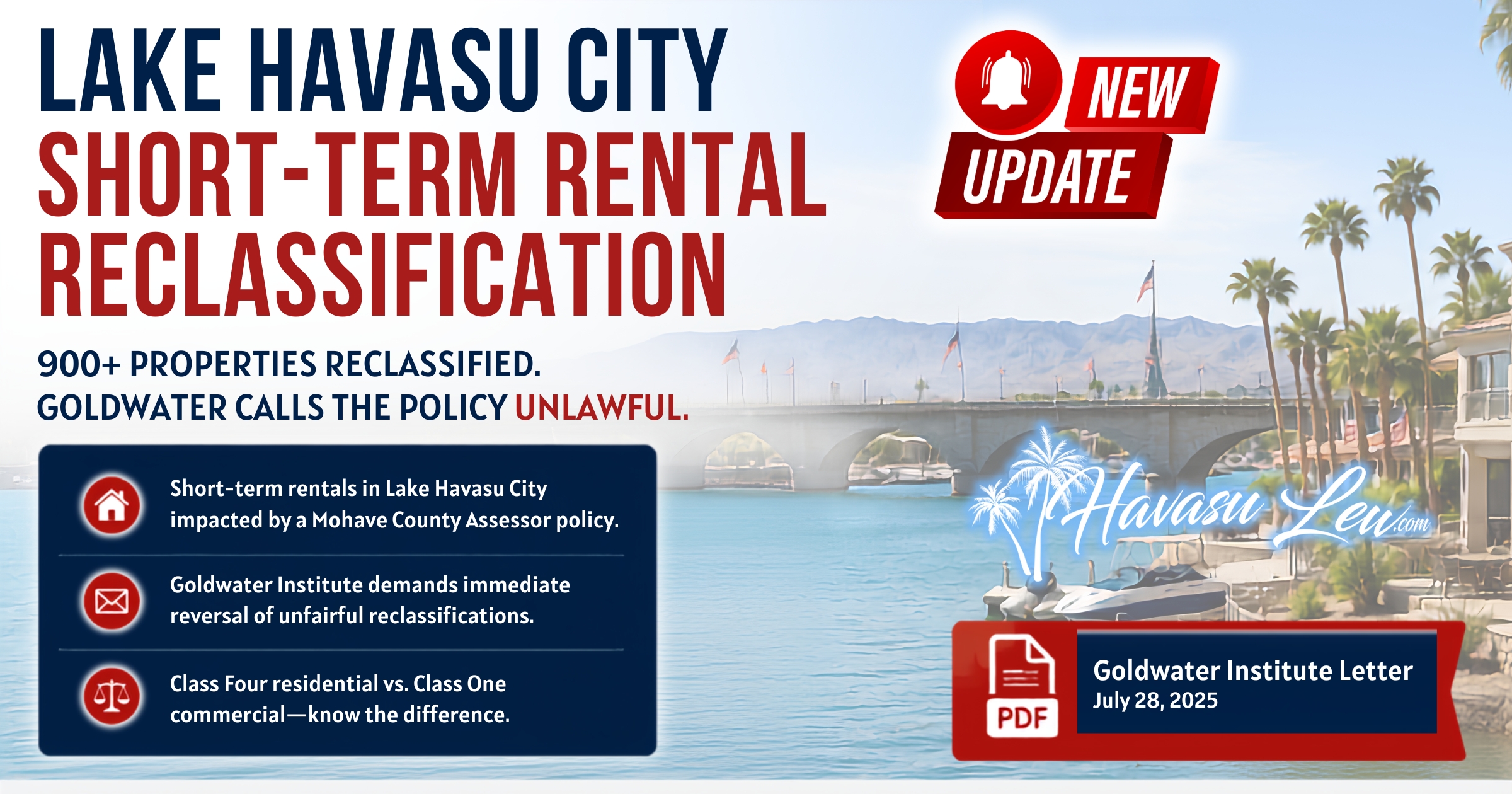
Lake Havasu City short-term rental owners are being directly affected by a new Mohave County Assessor policy that reclassifies certain residential vacation rentals as Class One commercial property. More than 900 properties have reportedly already been reclassified across Mohave County, including properties in the Lake Havasu City market.

Current status

This is an active legal and property-tax dispute affecting Lake Havasu City short-term rental owners. Goldwater has formally challenged the policy, but the materials reviewed for this page do not show a court ruling that has resolved the issue or a published County rescission as of July 30, 2026.

The issue in plain English

Are Lake Havasu City short-term rentals being treated as commercial property?

Quick answer

Yes. The Mohave County Assessor is applying the policy countywide, and Lake Havasu City contains the majority of Mohave County's reported short-term rentals. The Assessor says homes primarily operated as year-round rentals for stays of fewer than 30 days should be classified like hotels and motels. Goldwater argues Arizona law already places ordinary residential rentals—including homes rented to lodgers—in residential Class Four, and that the Assessor cannot create a blanket commercial rule on her own.[1][3][4][5]

900+ properties the Assessor says have already been moved from residential to commercial classification
3,500 approximate short-term rentals countywide, with the majority reportedly located in Lake Havasu City
10% → 15.5% Class Four versus the statutory Class One assessment ratio in effect through December 31, 2026

Local REALTOR® association update

AAR provided the Goldwater letter to the Lake Havasu Association of REALTORS®

The Arizona Association of REALTORS® (AAR) reports that it and its lobbyists have been in contact with Airbnb and the Goldwater Institute regarding the Mohave County short-term rental reclassification. AAR also provided the Goldwater Institute's July 28, 2026, letter to the Lake Havasu Association of REALTORS® (LHAR) for local awareness and distribution.[19]

Why that matters locally

This is not a remote countywide tax issue with little connection to Lake Havasu. The majority of Mohave County's reported short-term rentals are located in Lake Havasu City, so local owners, buyers, sellers and real estate professionals are likely to see the greatest practical impact if the policy remains in place.

The Assessor's policy

What changed for Lake Havasu City short-term rentals

Mohave County Assessor Jeanne Kentch announced that the County is classifying residential properties as commercial when it determines they are primarily available as short-term rentals for most of the year. Because the majority of the County's reported short-term rental inventory is in Lake Havasu City, the local market is at the center of the policy's practical impact. The stated target is non-owner-occupied homes rented for periods shorter than 30 days—not an owner-occupied primary residence or a home rented only during limited seasons.[1]

  • The County compares full-time short-term rentals to hotels and motels. Its position is that both provide temporary lodging and should receive the same commercial tax treatment.
  • The Assessor says classification is based on current use. The office cites Airbnb and Vrbo listings, city permit records, advertisements, owner affidavits and other available information when deciding a property's primary use.
  • The policy is categorical in practical effect. According to the County's announcement, the office intends to keep reclassifying qualifying full-time short-term rentals until all have been addressed.
  • The change affects assessed valuation—not just a label. Moving a parcel from Class Four to Class One increases the percentage of limited property value used to calculate assessed value.

The legislative problem for the County

Arizona lawmakers considered explicit STR reclassification bills—and did not enact them

In 2025, HB 2316 proposed adding short-term rental property to Class One. In 2026, HB 2362 proposed a more specific threshold for homes rented for fewer than 30 days for more than 180 days per year. Neither proposal became law.[2][11][12][13]

A failed bill does not automatically prove that the Assessor's interpretation is illegal. It does, however, raise an obvious question: if existing law already gave assessors clear authority to apply this rule, why was new statutory language proposed to create substantially the same result?

The Arizona Legislature did directly address vacation rentals in 2016 through SB 1350, including amendments to the residential property-classification statutes.[10] Goldwater's argument is that those provisions preserved residential classification for ordinary residential short-term rentals rather than handing assessors an open-ended power to convert them to Class One.

Property-tax effect

What the change could mean for Lake Havasu City STR taxes

Arizona does not apply the tax rate directly to the property's market price. The property's limited property value is multiplied by the applicable assessment ratio to produce assessed value. Taxing jurisdictions then apply their rates to that assessed value.

Classification Assessment ratio Example using $400,000 LPV Difference from Class Four
Class Four residential 10% $40,000 assessed value Baseline
Class One through Dec. 31, 2026 15.5% $62,000 assessed value 55% higher assessed value
Class One beginning after Dec. 31, 2026 15% $60,000 assessed value 50% higher assessed value

Class Four is assessed at 10%. The current Class One statute sets the ratio at 15.5% through December 31, 2026, then 15% beginning after that date.[6][7]

There is a public-number discrepancy worth noting. The Assessor's announcement and Goldwater's letter refer to a 15% Class One ratio. The current text of A.R.S. § 42-15001 lists 15.5% through the end of 2026 and 15% after that. Owners should rely on the classification and ratio shown on their actual notice, current Arizona law and qualified tax advice—not a simplified public statement.

The percentage increase in assessed value does not guarantee that every final tax bill rises by the exact same percentage. Limited property value, district tax rates, exemptions, timing and other parcel-specific factors still matter. A higher assessed value can also create an escrow shortage or a higher monthly mortgage payment when a loan servicer recalculates reserves.

Practical response

What an affected property owner should do now

Do not assume the broader political or legal fight will protect an individual appeal deadline. A countywide reversal and a parcel-level appeal are separate tracks.

  1. Save the notice, envelope and mailing date. Arizona property-tax deadlines can run from the mailing date of the applicable notice. Do not wait for the eventual tax bill to start reviewing the issue.
  2. Verify the parcel record. Check the Mohave County Assessor record for the current legal class, use code, limited property value and any classification-change information.[14]
  3. Read the exact appeal instructions on the notice. The correct procedure can depend on the type and timing of the notice. Confirm the deadline directly with the Assessor and a qualified Arizona property-tax professional.
  4. Gather evidence of the property's actual use. Preserve booking calendars, owner-use dates, leases, advertisements, permits, occupancy records and any facts showing how the dwelling is actually used.
  5. Get legal or tax advice early. This dispute involves statutory interpretation, administrative deadlines and potential tax refunds. A real estate agent cannot give the owner the legal opinion or tax representation this situation may require.
  6. Keep separate compliance issues separate. A property-tax classification dispute does not erase Lake Havasu City licensing, transaction privilege tax, rental registration, insurance, zoning or Homeowners Association restrictions.[16][17]

Lake Havasu real estate impact

What buyers and sellers should take from this

For buyers

  • Do not underwrite a purchase from the seller's old tax bill alone. Confirm the current class and ask whether any reclassification notice, appeal or pending dispute exists.
  • Verify each layer independently. Property-tax class, city vacation-rental licensing, transaction privilege tax, insurance, zoning and HOA/PUD restrictions are separate issues.
  • A permit is not a guarantee of future tax treatment. A city license allows regulated use; it does not lock in a county assessment classification.
  • Do not buy strictly on projected rental income. Rules, expenses, classifications and operating conditions can change.

For sellers

  • Disclose what you actually know. A classification notice, pending appeal or material tax change should be handled with the appropriate broker, legal and tax guidance.
  • Do not represent residential tax treatment as guaranteed. The issue is unsettled and parcel-specific facts may matter.
  • Separate actual history from projections. Provide verifiable permits, expenses and rental records without promising future performance.
  • Expect buyers to ask harder questions. A well-organized file can reduce confusion during due diligence.

How the dispute developed

Lake Havasu City short-term rental reclassification timeline

2016

Arizona enacts SB 1350

The Legislature creates a statewide vacation-rental framework and amends the Class Three and Class Four residential classification statutes.[10]

2025

HB 2316 proposes explicit Class One treatment

The proposal would add certain short-term rentals to Class One. It does not become law.[11][13]

2026 legislative session

HB 2362 proposes a 180-day threshold

The bill would classify a home as Class One when rented for fewer than 30 days for more than 180 days in a calendar year. It also does not become law.[12][13]

July 2026

Mohave County publicly announces its policy

The Assessor says more than 900 properties have already been reclassified and that the office will continue reviewing full-time short-term rentals.[1]

July 28, 2026

Goldwater demands an immediate suspension

Goldwater sends a formal letter to Assessor Jeanne Kentch calling the policy unlawful and demanding restoration of affected non-owner-occupied residential short-term rentals to Class Four.[3]

July 30, 2026

AAR provides the Goldwater letter to LHAR

The Arizona Association of REALTORS® (AAR) reports that it and its lobbyists have been in contact with Airbnb and the Goldwater Institute. AAR provided the July 28 Goldwater letter to the Lake Havasu Association of REALTORS® (LHAR) for local awareness and distribution. Owners still need to protect any parcel-specific appeal rights while the larger challenge develops.[19]

Common questions

Lake Havasu City short-term rental reclassification FAQs

What are AAR and LHAR doing about the Lake Havasu short-term rental reclassification?

The Arizona Association of REALTORS® reports that it and its lobbyists have been in contact with Airbnb and the Goldwater Institute. AAR provided the Goldwater Institute's July 28, 2026, letter to the Lake Havasu Association of REALTORS® for local awareness and distribution. That association involvement does not replace an individual owner's need to protect parcel-specific appeal rights and deadlines.

Is Mohave County reclassifying every short-term rental?

No. The Assessor says the policy targets non-owner-occupied properties primarily available as short-term rentals for most of the year, with stays shorter than 30 days. The announcement says owner-occupied primary residences and limited seasonal rentals are not the intended target. The actual parcel record and notice still control for a specific property.

Has a court ruled that the Mohave County policy is unlawful?

Not in the materials reviewed for this page as of July 30, 2026. The Goldwater Institute has taken the formal position that the policy violates Arizona law and has threatened judicial remedies if the County does not reverse course. That is a serious legal challenge, but it is not yet the same as a final court ruling.

What is the difference between Class One and Class Four property?

Class Four includes several forms of residential property, including residential property that is leased or rented and residential property rented to lodgers. Class One includes commercial and industrial property not specifically included in another class. The dispute is whether a full-time short-term rental remains within the residential provisions or crosses into commercial use.

How much can the assessment ratio change?

Class Four uses a 10% assessment ratio. Class One uses 15.5% through December 31, 2026 and 15% after that under the current statute. Using the same limited property value, that produces assessed value 55% higher in 2026 and 50% higher after 2026. The final tax bill depends on the parcel's value and applicable tax rates.

Does paying lodging tax make the real estate commercial property?

Not automatically. Transaction privilege tax applies to the business activity and rental income. Property-tax classification concerns the legal class assigned to the underlying real estate. Goldwater's position is that business-tax treatment does not erase the Legislature's residential property classifications.

Are ordinary short-term rentals legally the same as hotels?

That is one of the disputed points. The County emphasizes temporary lodging and year-round commercial operation. Goldwater emphasizes the physical use of an ordinary house and the statutory distinction between residential dwellings and genuinely nonresidential operations such as restaurants, retail uses, banquet facilities and event centers.

Can an owner appeal a reclassification?

Property owners generally have administrative and judicial avenues to challenge valuation or classification decisions, but the correct procedure and deadline depend on the notice. Owners should read the notice immediately, confirm the applicable deadline with the Mohave County Assessor and obtain qualified Arizona property-tax advice.

Does this change Lake Havasu City's vacation-rental permit rules?

No. County property classification and Lake Havasu City's vacation-rental regulatory requirements are separate. Owners still need to comply with current city licensing, contact, insurance, advertising and other requirements, along with applicable transaction privilege tax and private HOA or PUD restrictions.

What should a buyer verify before purchasing a possible vacation rental?

Verify the current property class, tax history, city licensing status, zoning, rental registration, insurance availability, HOA/PUD restrictions, prior notices and any pending appeal. Buyers should also separate verified historical revenue and expenses from future projections and avoid assuming that current rules or classifications are guaranteed to remain unchanged.

Off-site citations

Primary laws, public statements and reporting used for this page

Statutes and official government pages are used for the controlling legal text and public procedures. News reporting is used for statements, chronology and positions attributed to the parties. The Goldwater letter is the source for Goldwater's demands and legal position.

  1. Mohave County Assessor policy announcement: “County Corner: New policy regarding Short-Term Rentals”
  2. Arizona Capitol Times: Mohave County reclassifies short-term rentals to commercial, drawing opposition
  3. Goldwater Institute letter to Mohave County Assessor Jeanne Kentch, dated July 28, 2026
  4. A.R.S. § 42-12001 — Class One property
  5. A.R.S. § 42-12004 — Class Four property
  6. A.R.S. § 42-15001 — Assessed valuation of Class One property
  7. A.R.S. § 42-15004 — Assessed valuation of Class Four property
  8. A.R.S. § 9-500.39 — City and town vacation-rental regulation
  9. A.R.S. § 11-269.17 — County vacation-rental regulation
  10. Arizona SB 1350 (2016) — online lodging and vacation-rental legislation
  11. Arizona HB 2316 (2025) — proposed short-term rental property classification changes
  12. Arizona HB 2362 (2026) — proposed 180-day short-term rental classification threshold
  13. Arizona REALTORS® 2026 legislative updates — short-term rental tax-classification bills
  14. Mohave County Assessor property search
  15. Mohave County property-tax and appeal information
  16. Lake Havasu City vacation-rental requirements
  17. Arizona Department of Revenue short-term lodging tax information
  18. Qasimyar v. Maricopa County — Arizona property-classification decision
  19. Arizona Association of REALTORS® email accompanying the Goldwater Institute letter and provided to the Lake Havasu Association of REALTORS® in July 2026. This association communication is not a public web source.

Buying or selling a Lake Havasu property?

Review the property use before the deal gets expensive

Short-term rental potential is only one layer. The tax class, city rules, HOA/PUD restrictions, insurance, parking, garage fit and resale risk all need to be checked separately. I can help organize the real estate side of that due diligence and identify the questions that need to go to the County, City, title company, attorney or tax professional.

Information only: This page summarizes a developing public-policy and property-tax dispute as of July 30, 2026. It is not legal advice, tax advice, an appeal filing, a guarantee of short-term rental eligibility or a prediction of a court outcome. Laws, agency positions, classifications, deadlines and local requirements can change. Property owners should verify current records and consult qualified Arizona legal and tax professionals.

Posted in Real Estate
July 4, 2026

Lake Havasu Home Buying Process | 7-Phase Overview


7 Phases of the Home Buying Process in Lake Havasu City

Buying a home in Lake Havasu City gets a lot easier when you know what happens next before you ever write the offer. Whether you are local, relocating, buying a second home, or trying to make a move from out of town, this guide breaks the process into the 7 phases that matter most so you can move with a plan instead of guessing as you go.

7 phases of the home buying process in Lake Havasu City for local and out-of-area buyers

The biggest mistake many buyers make is waiting until they have found a house to start thinking about financing, neighborhoods, garage fit, HOA rules, side parking, commute patterns, or whether the property needs to work as a full-time home, second home, or future rental. In Lake Havasu, those details shape the search early.

This page walks through the real sequence from planning and pre-approval to escrow, inspections, appraisal, and closing. It is built to help buyers understand how the process works here, where the common friction points are, and what to get lined up before a good property shows up.

Want the full step-by-step version?

This blog gives you the quick 7-phase overview. The full Lake Havasu Home Buying Guide goes deeper into search setup, Saved Searches, listing review, showings, offer strategy, escrow, inspections, BINSR, appraisal, underwriting, final walkthrough, signing, recording, funding, keys, and after-closing ownership support.

What makes Lake Havasu buying a little different?

A lot of buyers here are out of area, shopping for a second home, or trying to narrow down the right part of town before they fly in. Garage depth, door height, side parking, HOA consistency, rental restrictions, proximity to launch ramps, and neighborhood feel all matter early. That is why the setup phase matters so much more than most buyers realize. For the expanded walkthrough, use the full Lake Havasu Home Buying Guide as the deeper companion resource.

Phase 1: Getting Started

This is where the strategy gets built. Before you are touring homes or reacting to new listings, the first move is getting clear on budget, timing, financing comfort, and how you will actually use the property. A home that works for full-time living is not always the same fit as a winter place, a second home with a big garage, or something that needs to be easy to lock and leave.

It also helps to look at the market before you start chasing addresses. Reviewing the current Lake Havasu Market Conditions page gives you a better read on pace, inventory, and pricing. If you are still sorting out which part of town fits best, the best neighborhoods guide is the right companion page to use here.

Go deeper: The full Buyer Guide expands this into buyer strategy and budget, lending, and proof-of-funds setup.

  • Define budget, timeline, financing comfort, and whether the home is full-time, second-home, or investment-driven.
  • Sort out the big filters early: area, garage setup, HOA preference, pool, side parking, rental goals, and desert or lake proximity.
  • Use live market context before you start making emotional decisions on list price alone.

Phase 2: Get Pre-Approved Before You Shop Seriously

Pre-approval is not just a lender box to check. It tells you what payment range makes sense, what loan programs are realistic, what your closing-cost picture looks like, and whether there are any documents or timing issues to solve now instead of halfway through escrow.

If you need a starting point, the site already has a live mortgage financing page built around Lake Havasu buyers. The point is not just getting a number. It is making sure the financing side matches the kind of property you are trying to buy and the way you want the deal to move once you are under contract.

Go deeper: See the Buyer Guide section on budget, lending, and proof of funds, then follow the later loan, appraisal, insurance, and underwriting section once you are under contract.

  • Get a real pre-approval, not a casual estimate.
  • Know your payment comfort, cash-to-close range, and any loan-condition issues early.
  • Make sure your lender can move cleanly once the right property shows up.

Phase 3: Build the Right Home Search

This is the phase where buyers either save time or waste a lot of it. A broad search is useful, but it still has to be built around the way you will really use the property. In Lake Havasu, that may mean paying closer attention to garage size, side parking, lot access, HOA rules, neighborhood age, or whether you want more consistency in a planned community versus a mixed in-town area.

The cleanest starting point is the For Buyers page paired with the advanced search. If you are buying from out of town, the sight-unseen buyer guide is worth reading early because it helps you narrow the list before you burn time on the wrong homes.

Go deeper: The full Buyer Guide breaks this into search setup and Saved Searches plus how to read Lake Havasu listings.

  • Set the search around the real lifestyle fit, not just bed and bath count.
  • Use live listing data so you are not late reacting to new inventory.
  • Keep a running shortlist of favorites so the comparison process gets clearer as you go.

Phase 4: Write the Offer with a Plan

Once the right property shows up, the job is not just getting an offer signed. It is deciding how to position that offer based on the home, the neighborhood, recent comparable sales, time on market, seller behavior, and how competitive the situation actually is. The strongest offers are not always the highest offers. They are the offers built around clean terms, realistic expectations, and the right contract structure for that specific property.

This is also the point where buyers need clarity on earnest money, inspection strategy, loan timing, possession timing, and which items truly matter before they get emotionally attached to winning the deal.

Go deeper: See the full Lake Havasu offer strategy section for pricing context, terms, seller-position clues, and offer leverage.

  • Review the property in context instead of reacting to the list price alone.
  • Know where to stay firm, where to stay flexible, and where not to overreach.
  • Write terms that give you protection without making the offer sloppy or weak.

Phase 5: Escrow, Inspections, and Due Diligence

Once the contract is accepted, the transaction shifts from search mode to verification mode. This is where buyers confirm the home, the disclosures, the title picture, the condition, and any repair or risk items that matter enough to address before moving forward.

Depending on the home, that may include the main home inspection, termite inspection, seller disclosure review, title commitment review, permit questions, insurance quotes, HOA document review, or CLUE history where applicable. On certain homes, this is also where garage details, roof age, pool equipment, solar terms, or access issues need a closer look.

Go deeper: The full Buyer Guide separates escrow and deadline control from inspection period and BINSR strategy.

  • Read the paperwork, not just the headline summary.
  • Use inspections to identify meaningful issues and decide what actually matters.
  • Negotiate repairs, credits, or terms with the goal of keeping the deal clean and informed.

Phase 6: Loan, Appraisal, Insurance, and Final Approval

While due diligence is moving, the lender is also working through underwriting. This is where appraisal, document updates, insurance, and any final lender conditions usually come into focus. Buyers often underestimate how important this phase is because the house is already under contract, but this is still where delays can show up if items were not handled early.

Good communication matters here. The cleaner your financing file is, the smoother this phase tends to go. The same goes for getting homeowners insurance lined up early instead of waiting until the last minute.

Go deeper: The full Buyer Guide explains appraisal, loan, insurance, underwriting, and final approval in more detail.

  • Stay responsive with lender requests so conditions do not drag out.
  • Get insurance lined up before final closing prep starts.
  • Watch timing closely if appraisal, repairs, or loan conditions start pushing against the close date.

Phase 7: Final Walkthrough, Signing, Recording, and Keys

The last phase is about confirming the property is in the expected condition, signing the final documents, and getting the transfer completed cleanly. In many transactions that means a final walkthrough, signing with a mobile notary or in person, wiring funds, and waiting for recording.

Once the deed records, ownership transfers and the deal is done. At that point the focus turns to utilities, access, moving logistics, garage remotes, gate remotes, pool instructions, and whatever else needs to be handed off so you can settle in without the usual scramble.

Go deeper: The full Buyer Guide covers final walkthrough, signing, recording, funding, keys, and after-closing handoff.

  • Use the final walkthrough to verify condition, agreed items, and any negotiated repairs.
  • Make sure wiring instructions and signing logistics are handled carefully.
  • Do not treat the deal as closed until recording is complete.

The real goal is not just getting under contract. It is getting to the closing table with fewer surprises.

A lot of home-buying stress comes from timing problems, weak setup, or reacting too late. When the financing, search, property fit, and contract strategy are lined up early, the whole process gets a lot cleaner.

Related Buyer Resources

Frequently Asked Questions About Lake Havasu City

If you are still in research mode, these are the existing Lake Havasu Q&A pages that answer the questions buyers ask most before they ever narrow down a property list. This gives you a cleaner way to work through cost, weather, safety, neighborhoods, retirement fit, air quality, and other local decision points without bouncing around blindly.

How this page and the full Buyer Guide work together

This blog keeps the process simple with 7 major phases. The full Lake Havasu Home Buying Guide is the detailed reference when you want the deeper version of each step, including search setup, listing review, showings, BINSR, appraisal, underwriting, closing, keys, and ownership handoff.

Frequently Asked Questions About Buying a Home in Lake Havasu City

How long does it take to buy a home in Lake Havasu City?

The timeline varies by financing, property condition, negotiations, and how quickly you narrow the search. Some buyers move fast because they are already pre-approved and focused. Others take longer because they are still sorting through neighborhoods, garage needs, HOA preferences, or second-home goals before they are ready to write.

Should I get pre-approved before looking at homes?

Yes. Pre-approval should come early because it helps shape the real budget, cash-to-close picture, and offer strategy before you get attached to a property. It also helps avoid wasting time on homes that do not fit the financing side cleanly.

What should I look at besides the house itself?

In Lake Havasu, buyers often need to think beyond the interior. Neighborhood fit, garage size, side parking, HOA rules, rental restrictions, access, pool condition, and how close the property is to the parts of town you actually plan to use can all matter as much as the bedroom count.

Can I buy a home in Lake Havasu without seeing it in person first?

Yes, but it needs a tighter process. Sight-unseen buyers usually do better when the search is narrowed carefully, the property gets reviewed from multiple angles, and the inspection and due diligence phases are handled with extra discipline. That is exactly why the sight-unseen guide is linked above.

What happens after my offer is accepted?

Once the offer is accepted, the transaction moves into escrow and due diligence. That usually means inspections, disclosure review, title work, lender processing, appraisal, insurance, and final closing preparation. This is where buyers confirm the home, the paperwork, and the timeline before the deal records.

What is the difference between this 7-phase blog and the full Lake Havasu Buyer Guide?

This blog is the quick overview of the home buying process. The full Lake Havasu Home Buying Guide is the deeper step-by-step resource that walks through search setup, Saved Searches, listing review, showings, offer strategy, escrow, inspections, BINSR, appraisal, underwriting, closing, keys, and after-closing support.

Should I read this page or the full Buyer Guide first?

Start here if you want the simple 7-phase roadmap. Use the full Buyer Guide when you are ready to dig into the details, set up a stronger search, compare properties more carefully, or understand what happens once an offer is accepted.

Need the right search set up instead of a generic alert?

The cleanest way to start is to build the search around how you will really use the property, then widen the net where it makes sense so you can see what is just outside your original fence. That usually creates a better Favorites list and a better decision path. The full Buyer Guide search setup section explains how that workflow fits with Saved Searches and Favorites.

Posted in For Buyers, Q&A
April 6, 2026

Lake Havasu Launch Ramps


Lake Havasu Launch Ramps: Where to Launch, What to Know, and Which Ramp Fits Your Boat and Your Day

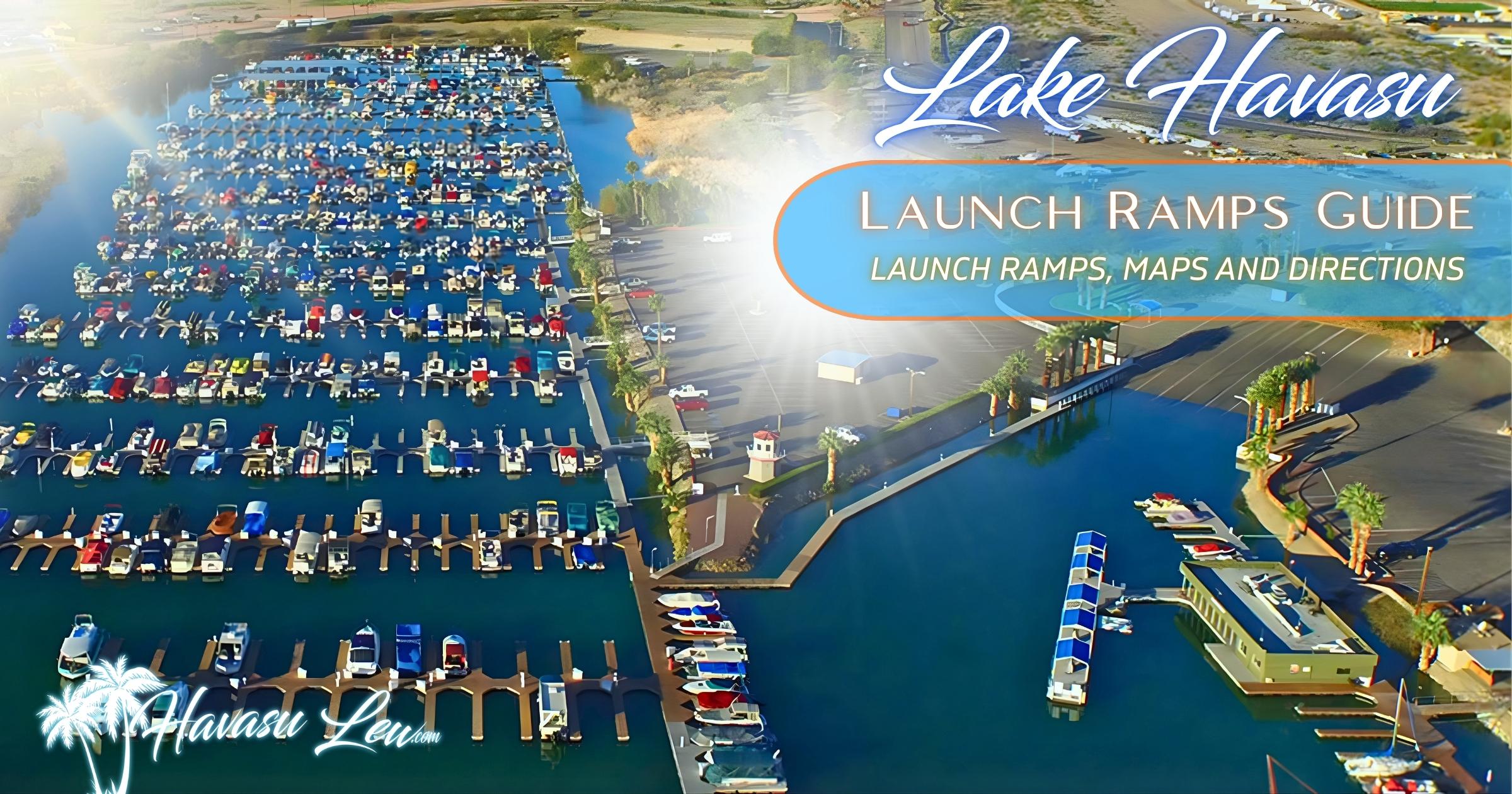
Lake Havasu Marina and launch area in Lake Havasu City

If you have never been to Lake Havasu before, one of the first things to understand is that the lake is long, the town is stretched around different access points, and not every launch ramp works the same way. Some are free. Some charge a fee. Some are easier for first-time visitors. Some are better for larger boats. Some are tied to resorts or state parks. If you are towing in from out of area, this page is built to help you understand the layout before you waste time driving from ramp to ramp.

Most visiting boaters end up comparing the same core group of launch options: Site Six, Windsor / Lake Havasu State Park, Lake Havasu Marina, Crazy Horse, Havasu Riviera Marina, Cattail Cove, and Havasu Springs. Those are the names to know first because they cover most real-world boating situations, from a quick free in-town launch to a full marina setup with fuel, to south-lake access if you are not trying to start your day right near the London Bridge and Island area.

Quick answer:
If you want a free public launch in town, start with Site Six. If you want a more structured state-park setup with multiple ramps, Windsor / Lake Havasu State Park is usually the safest broad recommendation. If you want marina services and fuel in the same stop, Lake Havasu Marina stays high on the list. If you want south-side access in Lake Havasu City, Havasu Riviera Marina is the main modern option. If you are launching farther south on the lake, Cattail Cove and Havasu Springs belong in the conversation.
Fees, hours, water levels, holiday restrictions, and ramp conditions can change. Always verify current details before you tow.

How to Pick the Right Launch Ramp if You Have Never Been Here Before

The best ramp is usually not about where you plan to boat all day. In real life, most people narrow it down by ramp compatibility, convenience, fees, traffic, and how comfortable they are backing and staging in a busy launch area.

  • Start with your boat size and trailer comfort level: If you have a larger boat, a wide marina-style ramp or a more structured state-park setup usually makes more sense than trying to keep it cheap at all costs.
  • Decide whether free matters more than convenience: Site Six is the main free municipal ramp in town. That matters to a lot of people, but it is not automatically the easiest or best fit for every rig or every driver.
  • Think about whether you need fuel nearby: Some ramps are just ramps. Others are tied to marinas where fuel, store access, slips, or restrooms are easier to deal with.
  • Think about how familiar you are with the area: If you have never visited Lake Havasu before, a more organized setup like Windsor or a full-service marina can be less stressful than trying to figure out the fastest local move on the fly.
  • Account for holiday and event traffic: On busy weekends, the easiest-looking ramp on paper can turn into the worst one for your day if staging, parking, or trailer traffic backs up fast.
  • Do not assume every launch is for every boat: Some smaller or free sites matter more for paddlers, small vessels, or very specific local use cases, not the average trailered powerboat.
If you are brand new to the area
The London Bridge / Island side of town is where a lot of first-time visitors naturally end up because that part of Lake Havasu City is the most recognizable. That is also why it can feel busier. If you want the least confusing answer for a first visit, Windsor / Lake Havasu State Park and Lake Havasu Marina are usually easier starting points to understand than trying to overthink every launch option in town.
Havasu Riviera launch ramp on the south side of Lake Havasu City

Main Motorized Launch Ramps Around Lake Havasu City

These are the ramps most visiting boaters end up comparing first. Each one solves a different problem.

Site Six Launch Ramp

Site Six is the main free municipal launch ramp most people in town think of first. It sits on the Island side of town near the London Bridge, which means it gives you central access without a launch fee. If you are towing in from out of town, the main thing to know is that it is practical and central, but it is also one of the first places people look when they want to launch for free.

  • Best for boaters who want a free public launch in town.
  • Good if you want to keep it simple and do not need marina services.
  • Close to the Island, bridge area, and central boating core.
  • Not automatically the easiest choice on a packed weekend.

Windsor Launch Ramps / Lake Havasu State Park

Windsor is one of the best broad recommendations for people who have never launched here before. Arizona State Parks says Lake Havasu State Park has two boat ramps in Lot 2 and a separate PWC ramp in Lot 1. That matters because it gives first-time visitors a more structured setup to work with instead of trying to guess how everything flows once they arrive.

  • Best all-around recommendation for first-time or out-of-area visitors.
  • Good if you want a more organized state-park setup.
  • Helpful if you are launching a PWC and want to know there is a separate PWC ramp.
  • Paid park entry applies.

Lake Havasu Marina

Lake Havasu Marina is one of the better-known full-service options in town. The marina publishes ramp hours as 24 hours a day, 7 days a week, and says the ramp is wide and gently sloped for vessels up to 32 feet depending on water level. If you want a ramp tied to a fuel dock, store, slips, and a more traditional marina setup, this one stays high on the list.

  • Good if you want fuel and marina services in the same stop.
  • Published ramp hours are 24/7.
  • Fuel dock hours are daily to dusk.
  • Strong fit for larger boats and boaters who prefer a marina-style setup over a basic municipal launch.

Crazy Horse Campgrounds

Crazy Horse is another Island-side launch option that stays popular because of convenience. If you are brand new to town, the Island is the part of Lake Havasu City just across the London Bridge, where several of the most recognizable boating access points sit close together. Crazy Horse is paid, but it keeps you close to the same general boating core as Site Six and Lake Havasu Marina.

  • Good if you want another central Island-side option.
  • Paid launch tied to a campground / resort setup.
  • Better if convenience matters more than getting the cheapest launch possible.
  • Not the right answer if your only goal is free public access.

Havasu Riviera Marina

Havasu Riviera Marina is the main modern south-side ramp option inside Lake Havasu City. If you have never been here, the simple way to think of it is this: it sits farther south of the London Bridge / Island core, so it makes more sense for people who want to skip launching in the middle of town and start from the south side instead. The marina publishes seasonal rates and seasonal hours, and after-hours access is tied to the Riviera Pass.

  • Main south-side launch option in Lake Havasu City.
  • Better if you want to avoid the Island-side launch cluster.
  • Published seasonal rates and hours vary by time of year and day of week.
  • After-hours access is connected to the Riviera Pass, not a standard state park pass.
Havasu Riviera Marina and launch ramp in Lake Havasu City

Cattail Cove State Park

Cattail Cove sits about 15 miles south of town on Highway 95, so it is not the first place every visitor thinks of. That is exactly why it deserves mention. If you do not need to launch near the bridge area and would rather start farther south, Cattail Cove can make the day simpler. Go Lake Havasu lists it as a four-lane motorized ramp, and Arizona State Parks treats it as one of the main south-lake access points.

  • Good if you want to launch south of the city core.
  • Useful if your day does not need to begin near the Island.
  • More relevant than most people realize for visiting boaters staying south of town.
  • State park fees and hours apply.

Havasu Springs Resort

Havasu Springs is farther south and outside Lake Havasu City, near Parker, but it is still on Lake Havasu and still matters if your boating plans start down that way. For someone who has never been here before, the main thing to understand is that not every useful launch on Lake Havasu is inside city limits. Havasu Springs is one of the better-known south-lake options if you are already staying lower on the lake or want fuel and resort access in the same general stop.

  • South-lake / Parker-side option on Lake Havasu.
  • Useful if you are staying or launching farther south instead of in town.
  • Good one to verify directly because resort day-use details can matter.
  • Not the right choice if you want the closest ramp to the London Bridge area.
Ramp Best Fit Fee Type Fuel Nearby Jump to Section Go Now
Site Six Free public launch in town Free No on-site gas dock View Section Maps + Directions
Windsor / Lake Havasu State Park Best broad recommendation for first-timers State park entry No dedicated marina fuel stop View Section Maps + Directions
Lake Havasu Marina Marina services + fuel Paid marina launch Yes View Section Maps + Directions
Crazy Horse Island-side convenience Paid campground launch No View Section Maps + Directions
Havasu Riviera Marina South-side city launch Seasonal paid launch Verify current marina amenities View Section Maps + Directions
Cattail Cove South-lake access State park entry No View Section Maps + Directions
Havasu Springs Far south / Parker-side access Resort / day-use Yes View Section Maps + Directions

Things to do in Lake Havasu

Launch Ramp Maps and Directions

If you are towing in from out of area and just want a clean visual starting point, use the PDF map first, then click through to the official source or live Google Maps link for the specific ramp you plan to use.

Lake Havasu launch ramps map PDF preview
Tap the map preview to open the larger printable PDF version.

Useful Boating Resources Before You Launch

If you have never boated here before, the ramp is only one part of the day. Local laws, fuel planning, boating safety, and even understanding what part of town you are launching from all make a difference.

Helpful internal reads first
These pages give more context on the boating side of Lake Havasu, the London Bridge area, and the local layout around the water.
Official safety and boating links
These are the better places to verify current boating rules and safety information before a busy weekend.

Frequently Asked Questions About Lake Havasu Launch Ramps

These are the questions people usually ask once they realize the right ramp depends more on their boat, comfort level, and staging plan than on hype.

What is the best free launch ramp in Lake Havasu City?

Site Six is the main free public launch ramp most boaters in town think of first. It is centrally located and one of the easiest low-cost answers if you want to get on the water without paying a launch fee.

What launch ramp is best for first-time or out-of-area boaters?

Windsor / Lake Havasu State Park is usually the safest broad recommendation because it has a more structured setup, multiple ramps, and easier orientation for people who do not already know the local launch flow.

Which Lake Havasu ramp is best if I want fuel and marina services nearby?

Lake Havasu Marina is one of the strongest answers if you want a central marina-style ramp and fuel dock convenience in the same stop.

What launch ramp makes the most sense on the south side of the lake?

Havasu Riviera Marina is the main south-side option inside Lake Havasu City. Cattail Cove and Havasu Springs also matter if your boating plans start farther south instead of in town.

Do Lake Havasu launch ramp fees and hours change?

Yes. Fees, hours, event pricing, seasonal schedules, and ramp conditions can all change, so it is smart to verify official pages before you tow.

Learn More About Lake Havasu City These pages go deeper into boating safety, the London Bridge area, fishing, lifestyle, and what it is actually like to spend time on the water here.

Posted in For Boaters
April 5, 2026

What is The Best Neighborhood in Lake Havasu City?


Best Neighborhoods in Lake Havasu City: How to Match the Area to the Way You Actually Want to Live Here

There is not one “best” neighborhood in Lake Havasu City for everyone. The right area depends on how close you want to be to the lake, whether you care more about newer homes or bigger lots, whether you want HOA consistency, golf, desert access, less through traffic, or just a better overall fit for the way you will really use the house.

Guide to the best neighborhoods in Lake Havasu City based on lifestyle and location

Lake Havasu City was established as a planned community, but that does not mean every part of town feels the same. In real life, Havasu is a mix. You can have original homes from the 70s, later infill, newer custom homes, HOA-driven neighborhoods, golf-course areas, desert-edge streets, and marina-adjacent communities all within a pretty tight footprint.

Short answer:
If you want boating and quicker water access, the lake side of Highway 95, the Island / Bridgewater area, and the south side near Havasu Riviera usually get the most attention. If you want newer PUD/HOA neighborhoods with more consistency, places like The Refuge, Havasu Foothills Estates, Viewpoint Estates, North Pointe, Canterbury Estates, and Sailing Hawks make more sense. If you want bigger lots, less density, horse property, or more elbow room, the Equestrian side of town and Havasu Heights belong in the conversation.

What Actually Changes from One Lake Havasu Neighborhood to Another?

This is the part people usually miss when they search for the “best neighborhood” and end up reading broad generic answers that do not help much.

  • Lake access and boating convenience: Being closer to the Island, Windsor, Site Six, or Havasu Riviera changes how easy it is to get on the water. That matters a lot more if you are actually using the lake than it does if you just want a view.
  • Age and mix of homes: Havasu has plenty of “old next to new.” Some areas are more consistent. Others are a patchwork. That is not automatically bad, but it matters if you care about neighborhood feel and resale.
  • HOA / PUD consistency: Many of the better-known PUD / HOA neighborhoods have stronger design rules and usually 30-day minimum rental rules. That tends to appeal to locals and buyers who want fewer weekend-party surprises.
  • Traffic and drive patterns: Some neighborhoods get almost no through traffic. Others are more central and convenient, but you will feel it.
  • Garage, lot, and storage flexibility: Some buyers need room for boats, toys, side parking, or future garage options. That pushes the “best neighborhood” answer in a completely different direction.
  • Desert access vs. central convenience: If you ride, shoot, or live in the desert more than the water, edge-of-town and north/east areas often make more sense than the Island or golf-course core.
One more thing that matters more than people think
Sometimes you need to physically drive a neighborhood to know if it fits. Street slope, driveway angle, how tight the homes feel, what the surrounding blocks look like, how much traffic you hear, and whether the area feels local, part-time, or mixed — none of that shows up well in a two-sentence listing blurb.
London Bridge area in Lake Havasu City near central neighborhoods and the Island District

Best Areas in Lake Havasu City by Lifestyle, Not by Hype

This is usually the better way to narrow neighborhoods. Start with how you will use the home, then work backward into the area.

Best for boating, launch ramp convenience, and less through traffic

The lake side of Highway 95 is always going to get attention because it keeps you closer to the water and away from a lot of pointless cross-town driving. The north lake side near Windsor and the Island area makes sense for people who actually use the lake often. The south side near Havasu Riviera and the marina makes sense for buyers who like newer product, south-end access, and a cleaner launch-run setup.

Best for newer HOA / PUD neighborhoods and a more consistent look

This is where communities like The Refuge, Havasu Foothills Estates, Viewpoint Estates, North Pointe, Canterbury Estates, Sailing Hawks, and Sunlake Village usually come up. They are popular with buyers who do not want the old-next-to-new patchwork that some non-HOA areas naturally have.

Best for golf-focused buyers and central convenience

If you like being more central and want to be close to golf, the Residential Estates areas around Lake Havasu Golf Club deserve a look. This is also where it helps to understand the difference between a zoning area and a true subdivision. “Residential Estates” is not one single neighborhood. It is more of a larger zoning/area pattern with bigger lots, more setbacks, and, in many parts, underground utilities and natural gas.

Best for bigger lots, horse property, or more elbow room

The Equestrian Area and Havasu Heights are better starting points for buyers who care more about land, larger estate-style lots, horse setups, toy storage, or a more rural feel. If you want more room and do not need to be near the Island or launch ramps every day, these areas can make a lot more sense than the higher-demand lake-side neighborhoods.

Other Area Types Buyers Should Not Ignore

Not everyone wants a gated PUD. Some buyers do better in central zones, district-style areas, golf-oriented streets, or bigger-lot outskirts.

The Island District

The Island District is not one traditional subdivision so much as a very recognizable location cluster around the Island, channel, London Bridge, marina area, and resort activity. If you want to be close to the action, launches, marinas, restaurants, walking paths, and the bridge area, this part of town is hard to beat. It is not the right answer for someone who wants quiet desert-edge living, but for buyers who want boating convenience and a more active setting, it belongs on the shortlist.

The Island District in Lake Havasu City near the channel and London Bridge

Grand Island Estates

Grand Island Estates is more of a luxury, Island-adjacent answer for buyers who want the Island / bridge / marina location but in a more upscale residential context. It works better for buyers who want the boating side of town without giving up a higher-end home profile.

Grand Island Estates neighborhood in Lake Havasu City

Glen Eagles Golf Estates

Glen Eagles Golf Estates is one of the more golf-oriented neighborhood answers if you want a cleaner residential setting near central-town amenities and the golf core. It is a better fit for buyers who like being central and want a little more polish than some of the older surrounding streets.

Glen Eagles Golf Estates in Lake Havasu City

Canterbury Estates

Canterbury Estates is another option for buyers who want a cleaner, more controlled neighborhood feel without being in the same price tier or overall vibe as every other upscale community. It tends to work for buyers who want privacy, a more established look, and less randomness around them.

Canterbury Estates neighborhood in Lake Havasu City

Sailing Hawks

Sailing Hawks works better for buyers who like a more scenic, slightly removed feel without being fully disconnected from town. If you want newer-looking product, good view potential, and a neighborhood that feels more curated than random, this is one of the better names to look into.

Sailing Hawks neighborhood in Lake Havasu City

Havasu Heights

Havasu Heights is the answer for a very specific buyer. If you want bigger land, more separation, more rural feel, horse property potential, and you do not need to be five minutes from the channel, this area belongs in the conversation. It is not the same lifestyle as the Island or the golf-core neighborhoods, and that is exactly the point.

Havasu Heights homes and larger lots near Lake Havasu City
My blunt take
The “best neighborhood” in Lake Havasu City usually comes down to whether you want newer and cleaner, closer to the water, closer to golf, closer to the desert, more lot size, less HOA, or less randomness around you. If you start with the way you actually plan to use the home, the shortlist gets a lot easier.

Frequently Asked Questions About the Best Neighborhoods in Lake Havasu City

These are the questions buyers usually ask once they realize there is no single catch-all answer for every lifestyle.

Is there one best neighborhood in Lake Havasu City?

No. The right neighborhood depends on whether you care more about boating access, newer homes, HOA consistency, bigger lots, golf, views, or desert access.

What neighborhoods are best for boaters?

The lake side of Highway 95, the Island or Bridgewater area, and the south side near Havasu Riviera usually make the most sense for buyers who use launch ramps and marinas often.

What neighborhoods are best if I want newer homes and more consistency?

The Refuge at Lake Havasu, Havasu Foothills Estates, Viewpoint Estates, North Pointe, Canterbury Estates, Sailing Hawks, and Sunlake Village are some of the better-known names for buyers who want a more curated neighborhood feel.

What if I want bigger lots or more room for toys and horse property?

The Equestrian side of town and Havasu Heights usually make more sense for buyers who want more elbow room, larger parcels, or a more rural desert-edge lifestyle.

Should I search by neighborhood first or by features first?

Usually both. Start with a few neighborhoods that match your lifestyle, but also search by features that actually matter, like garage depth, door height, side parking, pool, golf, or launch-ramp convenience.

Learn More About Lake Havasu City These pages go deeper into retirement, safety, lifestyle, boating access, London Bridge, fishing, and the day-to-day reality of living in Lake Havasu City.

Map and Directions to Lake Havasu City

If you are coming in from out of area and want to get your bearings first, start here.


April 2, 2026

Is Lake Havasu Expensive?


Is Lake Havasu Expensive? Compared to what, and for what kind of house? That is the real question buyers should be asking.

A deeper buyer-focused look at single-family home prices, current listing levels, rent snapshots, ownership costs, and the local factors that shape affordability in Lake Havasu City.

Is Lake Havasu expensive with single-family home prices, cost of living, and buyer relocation research
“A lot of people ask if Lake Havasu is expensive like there’s some universal answer. There isn’t. If you’re comparing it to a smaller Arizona town, it can feel high. If you’re coming from California or other pricier lifestyle markets, it may look pretty reasonable. The answer changes fast depending on what you’re used to and what kind of property you want.”
— HavasuLew
View More
March 20, 2026

What Are the Demographics of Lake Havasu City?

Lake Havasu City Demographics, Population, Age, and Seasonal Trends

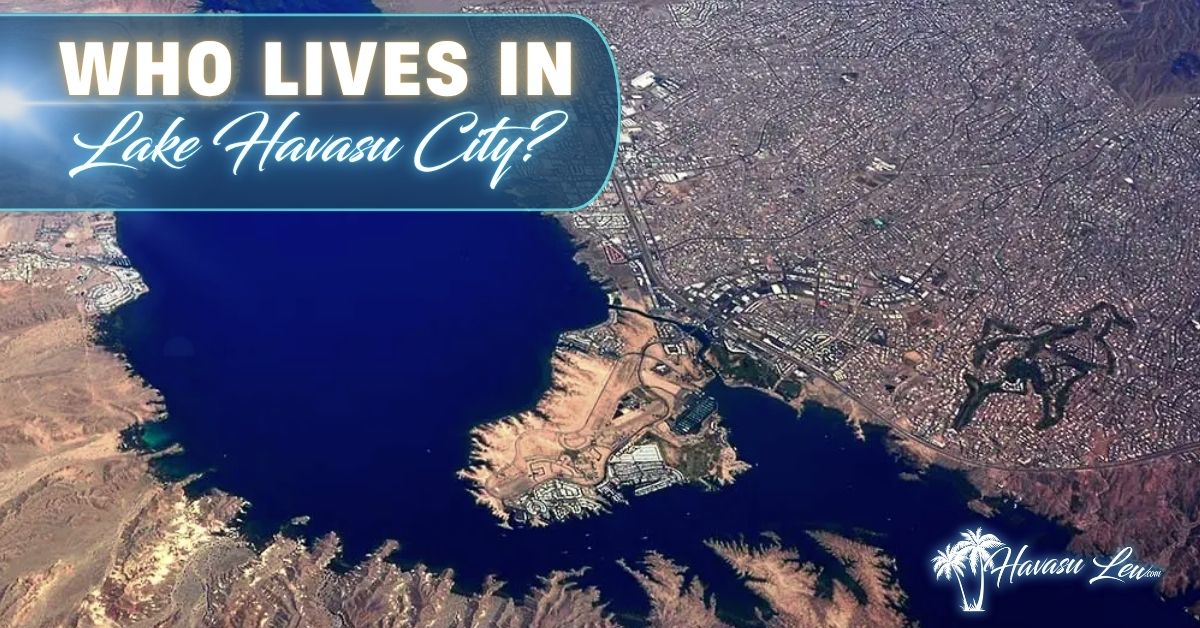
Lake Havasu City Arizona demographics aerial view of homes and lake

Lake Havasu City demographics show a full-time population of roughly 58,000 to 60,000 residents, an older median age, a large White non-Hispanic majority, a meaningful Hispanic population, and a noticeably higher share of retirees and veterans than many Arizona cities. The city also has a real seasonal population swing because of snowbirds, second-home owners, and tourism, so the number of people actually in town at any given time can feel higher than the official resident count.

Population of Lake Havasu City

The most solid public demographic profiles put Lake Havasu City in the upper-50,000 range. That makes Lake Havasu City a mid-sized Arizona city, not just a small vacation town. A lot of people picture Havasu one of two ways: either as a tourist spot or as nothing but a retirement town. The actual demographics are more balanced than that. It has a stable local population, then seasonal layers on top of it.

Median age in Lake Havasu City

One of the biggest demographic markers in Lake Havasu City is age. The city trends much older than Arizona and the country overall. That older age profile helps explain several common patterns in town: more retirees and semi-retirees, more winter residents and part-time residents, smaller household sizes, and stronger demand for lower-upkeep living. For a broader look at how that ties into relocation and retirement planning, see Is Lake Havasu City a Good Place to Retire?.

Race and ethnicity in Lake Havasu City

Lake Havasu City is predominantly White non-Hispanic, with Hispanic residents making up a meaningful second segment of the population. That lines up with what most people would expect from the city’s broader age, migration, and household profile. It is a transplant-heavy market, but it is not a one-dimensional city. There is still a mix of full-time locals, part-time residents, retirees, working households, and seasonal visitors.

Household size, income, and education

Lake Havasu City households tend to be smaller than state and national averages, which fits the city’s age profile. A lot of homes are occupied by couples, singles, retirees, and part-time residents rather than larger family households. Income and education numbers show a city that is established, stable, and older-skewing, but not built around long commuter patterns or large urban job centers.

That smaller-household profile is one of the more important demographic shifts in Lake Havasu because it affects how people shop for housing, how they use property, and what they prioritize. For a deeper local breakdown, see Lake Havasu Household Size Trends and Seasonal Buyer Shifts.

Neighborhood living in Lake Havasu City Arizona

Veteran population in Lake Havasu City

Another important demographic detail that gets missed in generic writeups is the veteran population. Lake Havasu City has a higher veteran share than many Arizona cities, and that shapes the local resident base in a real way. It is part of the reason the city feels older, more established, and less like a typical growth suburb.

Housing demographics

Housing numbers also need context in Havasu. The city has full-time owner occupants, retirees downsizing or relocating, second-home owners, snowbird households, and some investor-owned seasonal properties. That mix affects how the city feels compared with a more typical commuter suburb. You are not just looking at one clean resident type here.

For buyers trying to make sense of where people tend to live and how different parts of town feel, that ties directly into neighborhood choice. For that next step, see What is The Best Neighborhood in Lake Havasu City?.

Are there a lot of transplants in Lake Havasu City?

Yes. Lake Havasu City has long been a transplant-heavy market. Many residents moved here from somewhere else, whether for retirement, a second home, boating access, winter weather, desert recreation, or a lower-upkeep lifestyle. That does not mean there is no local identity. It just means Havasu has always had a strong relocation component built into its population makeup.

Does Lake Havasu City population change by season?

Yes. Official demographic datasets focus on permanent residents, but Lake Havasu City has a very real seasonal layer that those numbers do not fully capture. Snowbirds, tourists, second-home owners, winter visitors, and event traffic all affect how busy the city feels during different parts of the year. That is one reason people researching Havasu online can get mixed impressions if they only look at raw census-style data.

Lake Havasu City Arizona seasonal lifestyle and residential community

Bottom line

If you want the short answer to “What are the demographics of Lake Havasu City?” it is this: Lake Havasu City is an older-skewing Arizona city with a population in the upper-50,000 range, a strong retiree and veteran presence, a predominantly White non-Hispanic population, a meaningful Hispanic population, smaller households, and a seasonal population bump from part-time residents and visitors. That smaller-household trend is not just a statistic on paper either. It lines up with what many buyers and locals already see on the ground in Lake Havasu, including more singles, couples, retirees, and second-home owners shaping the way homes are used and searched for. For a deeper local breakdown, see Lake Havasu Household Size Trends and Seasonal Buyer Shifts.

Feb. 25, 2026

Lake Havasu Household Size Trends and Seasonal Buyer Shifts

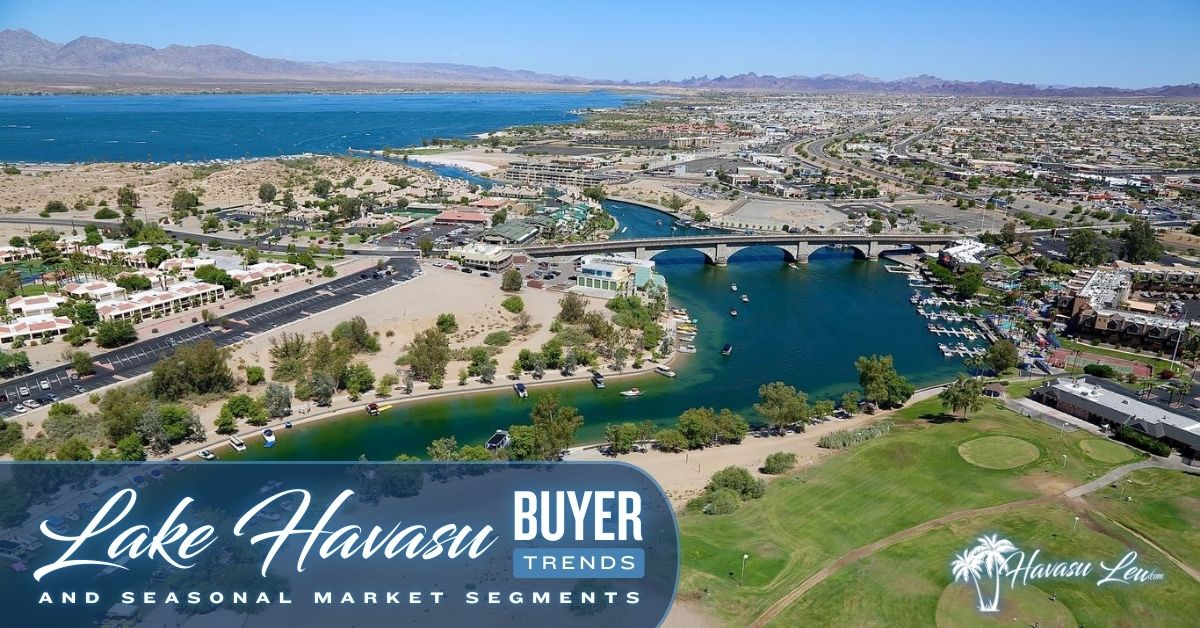
Lake Havasu Buyer Trends and Household Size How shrinking household size connects to seasonal buyer segments, garage demand, and real-world buying decisions in Lake Havasu City.
Lake Havasu City homes and lake shoreline showing seasonal buyer demand and real estate trends

Realtor.com Coverage

Realtor.com recently cited Lake Havasu City as having the largest decline in average household size, based on National Association of Realtors data. This post breaks down what that looks like on the ground in Lake Havasu, using the same segmentation and points referenced in that interview.

Source article: Lake Havasu shrinking household size – Realtor.com

What the Household-Size Shift Reveals in Lake Havasu

Household size sounds like a statistics topic, but it shows up in practical ways when you’re shopping Lake Havasu real estate. More one- and two-person households generally means buyers weigh function differently than when most demand comes from full-time families.

From the Realtor.com Interview
“A large percentage of the buyers I work with are singles, couples without kids, retirees, or second-home owners. Years ago, more homes were built with full-time families in mind. Today, many homes are built for part-time or lifestyle use, with more emphasis on garage space and open living areas than traditional living space. That lines up with the type of buyer coming into the market.”
— HavasuLew

The practical result: bedroom count alone doesn’t tell you much. In Lake Havasu, layout utility and garage configuration often drive the short list. If you’re actively browsing, start with live inventory and refine from there: Search Lake Havasu Homes.

Who Is Buying in Lake Havasu City

A large percentage of the buyers I work with are singles, couples without kids, retirees, or second-home owners. Lake Havasu isn’t a major job relocation market. Most buyers move here by choice, not because of employment.

The most common motivations I see:

  • Retirement or early retirement
  • Remote work
  • Leaving higher-priced or over-taxed states
  • Selling in California or other metro areas and simplifying
  • Prioritizing access to the lake and desert, and a different pace

Summer vs. Winter: Different Buyer Segments

In Lake Havasu, the summer and winter markets can pull different buyer segments. That matters because each segment values different features.

Summer Market

Summer tends to bring higher price points, boating-focused buyers, and people prioritizing garage space and rental flexibility. Many of those purchases are second homes that may be rented in the winter months.

For this segment, the garage and access are often the deal-breakers:

  • Boat-deep or RV-depth bays
  • Storage capacity that matches actual gear
  • Driveway access and maneuverability
  • Layout that supports part-time and lifestyle use
Boating in Lake Havasu City aerial view of boats leaving the channel into Thompson Bay
Searching for RV or Boat Garage Homes?
If RV or boat storage is part of your criteria, view the live MLS feed here: RV and boat garage homes for sale in Lake Havasu City .

Winter Market

Winter brings seasonal residents and snowbirds who are often focused on lower price points and simpler properties. They’re typically leaving colder climates and are less concerned with rental features or oversized garages.

What that looks like in real searches:

  • More emphasis on smaller footprints and lower upkeep
  • More price sensitivity
  • Garage size still matters, just usually not at the same level as the summer boater buyer

Lake Havasu Balloon Festival aerial view of hot air balloons over the lake

Are Smaller Houses More in Demand?

It depends on the buyer segment.

n the summer market, a lot of buyers are boaters or second-home buyers, and they will often accept a smaller house if the garage is right — boat-deep, RV depth, storage, and easy access. For them, house size is secondary to the garage and how the property fits the way they use Lake Havasu. Many of these buyers are also looking at vacation-rental potential, whether that means renting out summer weekends when they are not using the home, then renting to snowbirds in the winter once boating season is over, typically after Labor Day.

In this case, finding the right home in the Goldilocks Zone becomes an important strategy decision. The property needs to fit their own usage needs while also landing in the right range for both the summer vacation-rental market and the winter snowbird rental market. Go too big on size and amenities geared toward summer renters, and it can become harder to rent to the winter snowbird market, where many tenants are looking for a smaller setup, fewer extras, and lower rental price points.

In the winter market, seasonal residents and snowbirds tend to be more price-sensitive and maintenance-minded. They are often looking for a simpler home, a smaller footprint, and lower upkeep. Garage size still matters, but usually not at the same level as it does for the summer boater buyer.

Empty Nesters and Life Transitions

Empty nesters are a steady part of the Lake Havasu market. Many are selling larger homes out of state and moving into something easier to maintain. I also work with buyers who relocate after a spouse has passed. In those situations, the move is often about simplifying expenses and being closer to adult children, family, or an existing circle of friends.

How to Use This When You’re Shopping From Out of Area

If you’re not local, the fastest way to avoid wasted time is to define how you will use the property before you get deep into photos. In Lake Havasu, the highest-value filters usually include:

  • Garage depth and door height requirements
  • Driveway and parking setup
  • Whether you need rental flexibility
  • Whether you want a smaller footprint and lower upkeep
  • Whether you prioritize boating access and storage utility

If you’re trying to time the market or understand pricing pressure by season, use this page as your baseline reference: Lake Havasu Market Conditions.

Start Here: Buying in Lake Havasu
Call or Text HavasuLew Direct: 928-846-6474

Frequently Asked Questions

Is Lake Havasu City a Good Place to Retire?

If your move is driven by retirement, early retirement, or a lifestyle reset, this is the deeper breakdown: Is Lake Havasu City a Good Place to Retire?

Is Lake Havasu City a Good Place to Raise a Family?

If you’re comparing Lake Havasu for full-time family living, schools, and day-to-day fit, start here: Is Lake Havasu City a Good Place to Raise a Family?

What is The Best Neighborhood in Lake Havasu City?

“Best” depends on personal preference and priorities (garage depth, access, views, walkability, older vs newer homes, and budget). This page walks through it: What is The Best Neighborhood in Lake Havasu City?


Feb. 5, 2024

How Hot Does it Get in Lake Havasu in the Summer?

Summer Temperatures in Lake Havasu City: A Comprehensive Guide

how hot does lake havasu get in the summer

Wondering just how hot it gets in Lake Havasu during those sizzling summer months? Dive into our guide for an in-depth look at the typical summer climate, average temperatures in July and August, and essential tips to beat the heat while enjoying everything Lake Havasu City has to offer.

Lake Havasu City, renowned for its stunning landscapes and vibrant community life, transforms into a boater and asunbather's paradise each summer. But just how hot does it get? If you're planning a trip or considering real estate in the area, knowing what to expect from the summer heat in Lake Havasu is crucial.


The Heat is On: Understanding Lake Havasu's Summer Climate

In the heart of the summer, Lake Havasu City experiences temperatures that are not for the faint of heart. July typically marks the peak of the heat, with average highs reaching a scorching 109°F. Even as the sun sets, the desert retains its warmth, with night-time lows around 85°F. August offers a slight reprieve, but not much, with highs of 108°F and lows of 84°F. By September, the intense heat begins to wane, yet days remain hot at an average high of 101°F, cooling down to 75°F at night​​.

View More
Feb. 5, 2024

Is Lake Havasu Cold in Winter?

Is Lake Havasu Cold in Winter? Unveiling the Seasonal Secrets

lake havasu winter weather

Wondering if Lake Havasu chills down during winter? Dive into our comprehensive guide to understand Lake Havasu's winter climate and how it affects life and real estate in the area.

Winter in Lake Havasu City is like that moment when you dip your toes into the water, expecting a chill but finding the temperature just right. It's not your typical winter wonderland with snow-capped trees and ice-skating ponds. Instead, Lake Havasu offers a mild, comfortable climate that might just surprise you.


A Closer Look at Lake Havasu's Winter Weather

So, is Lake Havasu cold in winter? Well, "cold" is a bit of a stretch. While the rest of the country might be bundling up, Lake Havasu City enjoys mild temperatures that rarely see the need for more than a light jacket. Average daytime temperatures hover around the comfortable 60s to low 70s (Fahrenheit), while nights can cool down to the 40s. It's a far cry from the biting cold experienced in many other parts of the United States during winter months.

View More
Jan. 3, 2024

Is Lake Havasu City a Good Place to Raise a Family?

Moving to Lake Havasu City With Kids: What Families Should Expect Lake Havasu can be a good fit for some families, but it depends on lifestyle, schools, heat, and what you want day to day.

Lake Havasu City family lifestyle overview with kids, outdoor recreation, and relocation research focus

Yes, Lake Havasu City can be a good place to raise a family. But it is not a kid-dominated suburban growth market with endless school, sports, and indoor activity options around every corner. It is a smaller desert city with a strong outdoor lifestyle, short drives, a more laid-back pace, and a population mix that skews older than many larger family-heavy areas.

That setup works very well for some families and not nearly as well for others. If your idea of a good place to raise kids includes sunshine, easier day-to-day logistics, lake time, parks, trails, youth sports, and a city that is easy to get around, Havasu checks a lot of boxes. If you want a much larger metro with deep school choice, major indoor attractions, and a much wider menu of organized youth options, it will likely feel limited.

That is why this question deserves a straight answer. A lot of out-of-area buyers start their research with the wrong picture. Some assume Havasu is only a spring-break lake town. Others assume it is almost entirely retirees with very little going on for full-time families. Neither one is accurate.

View More