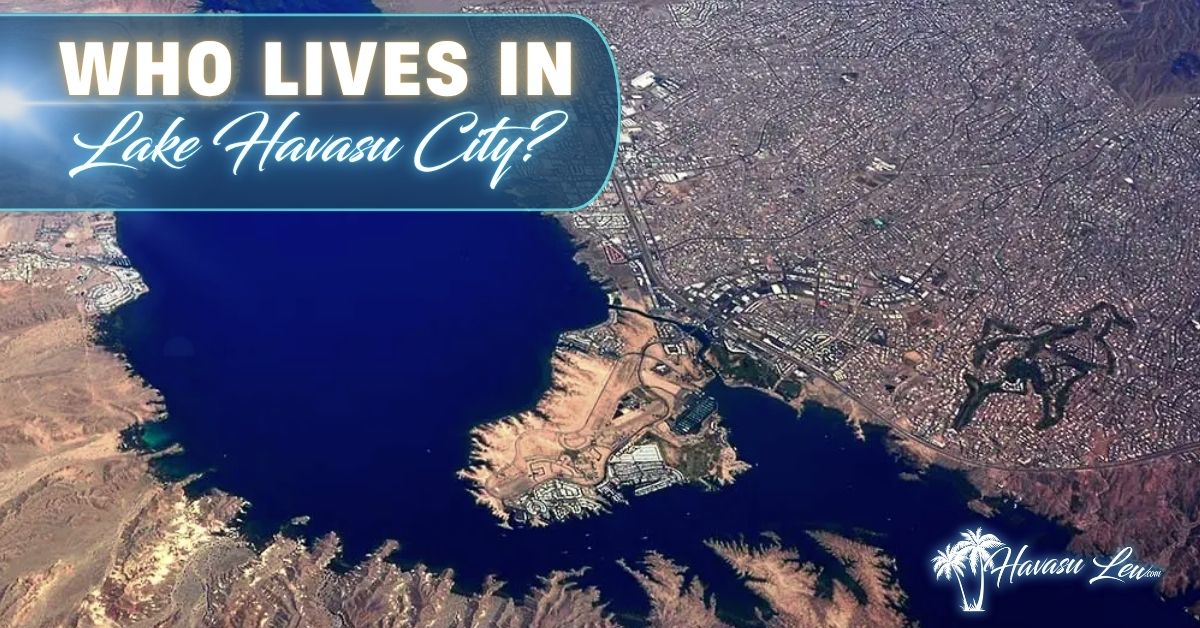
Lake Havasu City demographics show a full-time population of roughly 58,000 to 60,000 residents, an older median age, a large White non-Hispanic majority, a meaningful Hispanic population, and a noticeably higher share of retirees and veterans than many Arizona cities. The city also has a real seasonal population swing because of snowbirds, second-home owners, and tourism, so the number of people actually in town at any given time can feel higher than the official resident count.
Population of Lake Havasu City
The most solid public demographic profiles put Lake Havasu City in the upper-50,000 range. That makes Lake Havasu City a mid-sized Arizona city, not just a small vacation town. A lot of people picture Havasu one of two ways: either as a tourist spot or as nothing but a retirement town. The actual demographics are more balanced than that. It has a stable local population, then seasonal layers on top of it.
Median age in Lake Havasu City
One of the biggest demographic markers in Lake Havasu City is age. The city trends much older than Arizona and the country overall. That older age profile helps explain several common patterns in town: more retirees and semi-retirees, more winter residents and part-time residents, smaller household sizes, and stronger demand for lower-upkeep living. For a broader look at how that ties into relocation and retirement planning, see Is Lake Havasu City a Good Place to Retire?.
Race and ethnicity in Lake Havasu City
Lake Havasu City is predominantly White non-Hispanic, with Hispanic residents making up a meaningful second segment of the population. That lines up with what most people would expect from the city’s broader age, migration, and household profile. It is a transplant-heavy market, but it is not a one-dimensional city. There is still a mix of full-time locals, part-time residents, retirees, working households, and seasonal visitors.
Household size, income, and education
Lake Havasu City households tend to be smaller than state and national averages, which fits the city’s age profile. A lot of homes are occupied by couples, singles, retirees, and part-time residents rather than larger family households. Income and education numbers show a city that is established, stable, and older-skewing, but not built around long commuter patterns or large urban job centers.
That smaller-household profile is one of the more important demographic shifts in Lake Havasu because it affects how people shop for housing, how they use property, and what they prioritize. For a deeper local breakdown, see Lake Havasu Household Size Trends and Seasonal Buyer Shifts.
Veteran population in Lake Havasu City
Another important demographic detail that gets missed in generic writeups is the veteran population. Lake Havasu City has a higher veteran share than many Arizona cities, and that shapes the local resident base in a real way. It is part of the reason the city feels older, more established, and less like a typical growth suburb.
Housing demographics
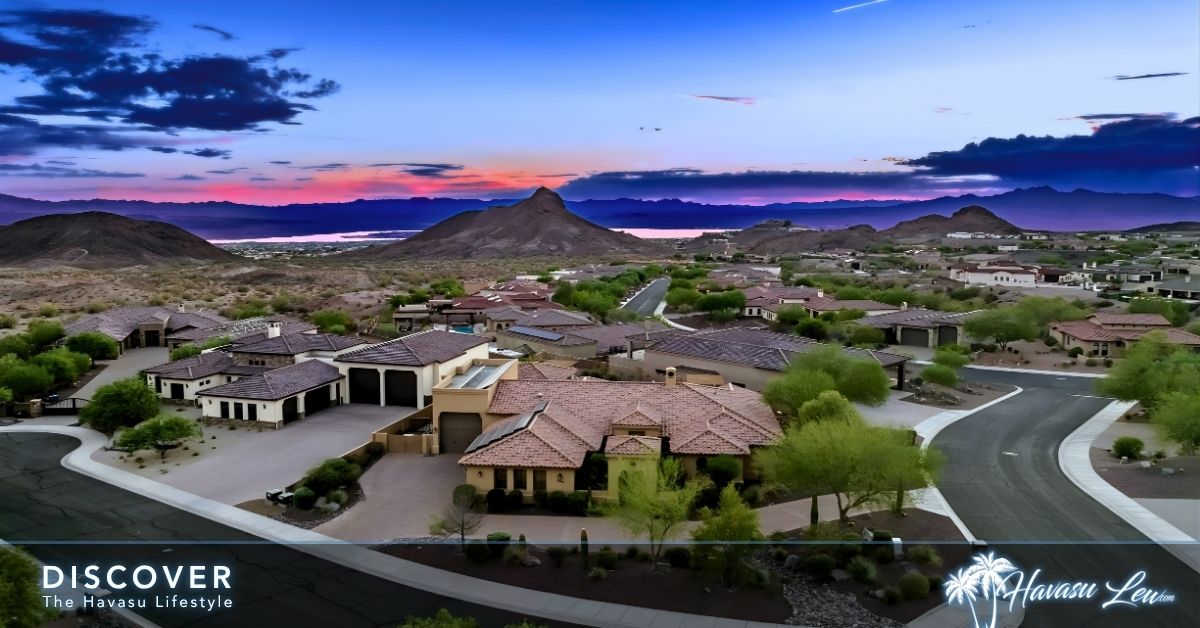
Housing numbers also need context in Havasu. The city has full-time owner occupants, retirees downsizing or relocating, second-home owners, snowbird households, and some investor-owned seasonal properties. That mix affects how the city feels compared with a more typical commuter suburb. You are not just looking at one clean resident type here.
For buyers trying to make sense of where people tend to live and how different parts of town feel, that ties directly into neighborhood choice. For that next step, see What is The Best Neighborhood in Lake Havasu City?.
Are there a lot of transplants in Lake Havasu City?
Yes. Lake Havasu City has long been a transplant-heavy market. Many residents moved here from somewhere else, whether for retirement, a second home, boating access, winter weather, desert recreation, or a lower-upkeep lifestyle. That does not mean there is no local identity. It just means Havasu has always had a strong relocation component built into its population makeup.
Does Lake Havasu City population change by season?
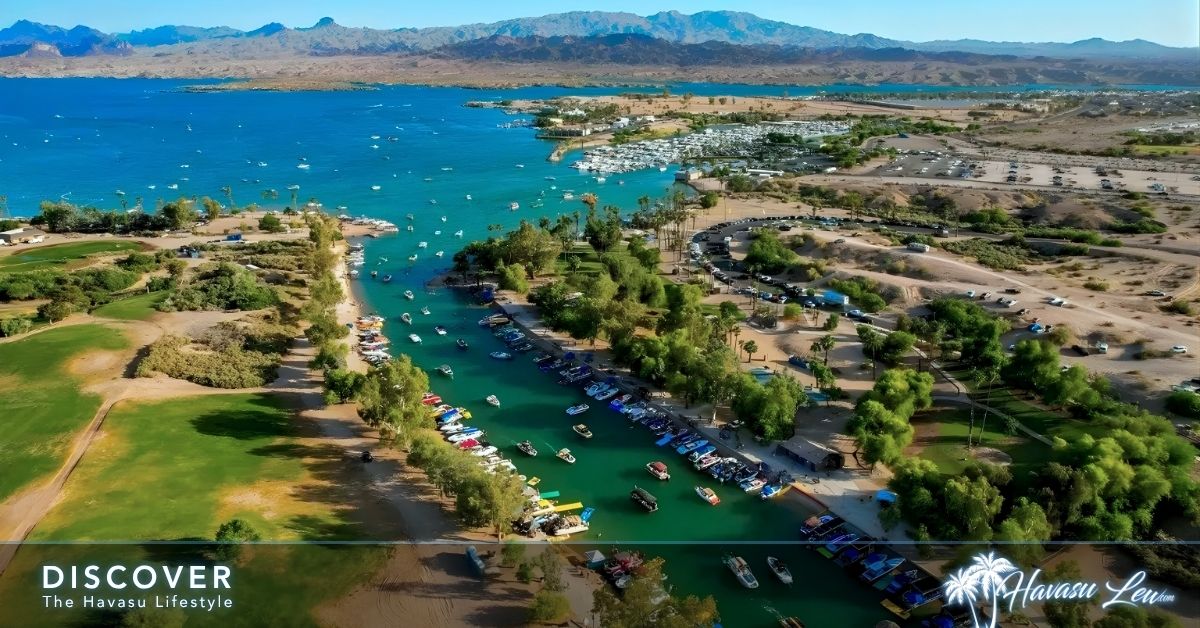
Yes. Official demographic datasets focus on permanent residents, but Lake Havasu City has a very real seasonal layer that those numbers do not fully capture. Snowbirds, tourists, second-home owners, winter visitors, and event traffic all affect how busy the city feels during different parts of the year. That is one reason people researching Havasu online can get mixed impressions if they only look at raw census-style data.
Bottom line
If you want the short answer to “What are the demographics of Lake Havasu City?” it is this: Lake Havasu City is an older-skewing Arizona city with a population in the upper-50,000 range, a strong retiree and veteran presence, a predominantly White non-Hispanic population, a meaningful Hispanic population, smaller households, and a seasonal population bump from part-time residents and visitors. That smaller-household trend is not just a statistic on paper either. It lines up with what many buyers and locals already see on the ground in Lake Havasu, including more singles, couples, retirees, and second-home owners shaping the way homes are used and searched for. For a deeper local breakdown, see Lake Havasu Household Size Trends and Seasonal Buyer Shifts.